

A narcissist’s home is the one place they can’t fully curate, control, or disguise, and that’s exactly why you’ll almost never see it.
Behind their locked doors lives the truth they work tirelessly to keep hidden.
I learned this the hard way.
Growing up with a narcissistic mother, every “maybe next week” invitation to her bedroom or office felt like a door slammed in my face.
One time, I tried to return a book I’d borrowed from her room.
The moment my hand touched the doorknob, she appeared out of nowhere with burning eyes and told me she’d “handle it.”
I knew back then that something was off.
Years later, I realized narcissists treat their home like a crime scene because that’s exactly where their lies live.
Their inconsistencies sit on shelves.
Their secrets hide in drawers.
Their real selves, the messy, unstable versions, exist in full view inside those walls.
And that’s the one place their mask can’t survive.
Table of Contents
What a Narcissist’s Home Reveals That Their Mask Can’t Hide
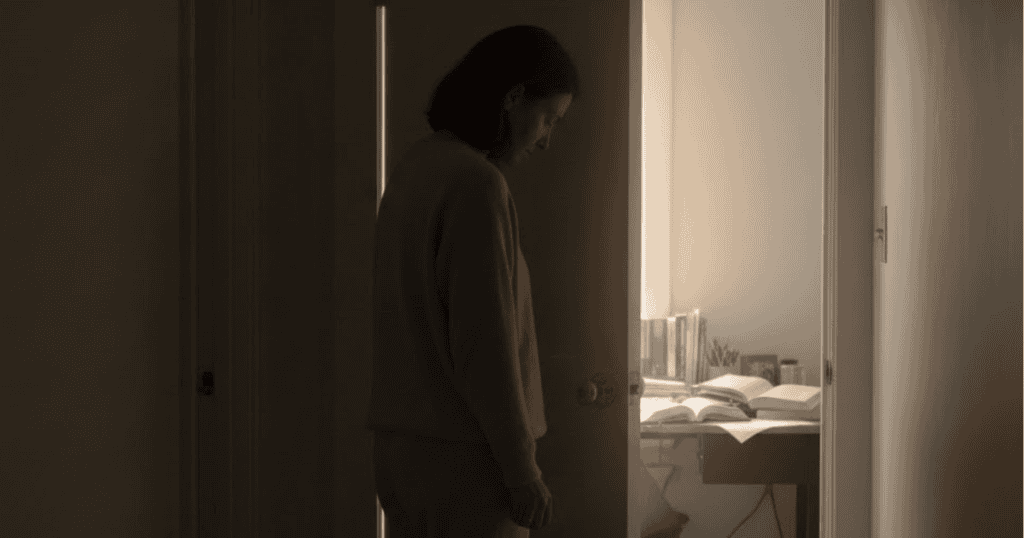
A home exposes the truth, like habits, values, lifestyle, and emotional patterns.
You can charm your way through a dinner conversation, but you can’t charm your way out of the reality of your living space.
Narcissists know this better than anyone.
Their home is where the curated persona stops working.
It’s where their discipline ends, their façade cracks, and the performance becomes too exhausting to maintain.
When you step into someone’s space, you see them without their script.
You see who they are when no audience is watching.
And narcissists know you might notice the same red flags they’ve been hiding with charisma, manipulation, or emotional sleight-of-hand.
Survivors often discover these truths too late, after years of excuses, evasive answers, and cancelled plans.
But the signs were always there.
Here are the eight reasons narcissists refuse to let you into their home, no matter how close you think you are.
The 8 Reasons Narcissists Refuse to Let You Into Their Home
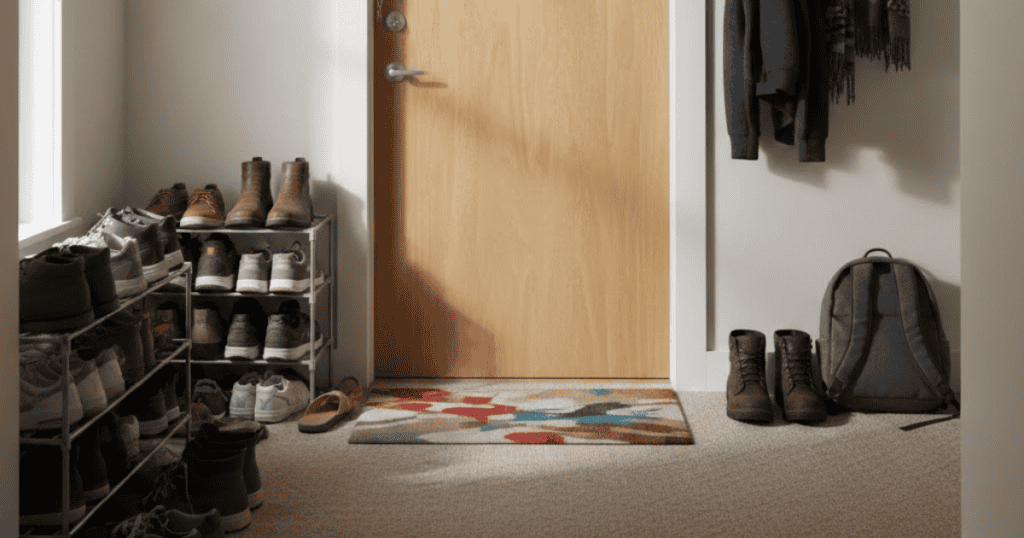
1. Their Clutter Exposes the Chaos They Hide
The most polished narcissists are often the messiest behind closed doors.
I remember the first time I accidentally walked into my toxic brother’s apartment while dropping off something our dad asked me to deliver.
He had “forgotten” to tell me he moved to a new place, so I followed the address on file.
When I opened the door, I smelled stale food, unwashed laundry, and something sour I still can’t identify.
The confident, “always in control” brother I grew up with, the one who criticized my room if a sweater was out of place, was living in chaos.
Stacks of dishes, weeks-old takeout containers, papers scattered everywhere.
It looked like someone had been living in emotional freefall.
That’s the truth narcissists fear you’ll see.
Clutter reveals instability.
Mess exposes the cracks in their life-management skills.
And disorder shows how little self-discipline they truly have when no audience exists.
Their home is the one environment they can’t fully stage. So they hide it.
2. They Might Be Living a Double Life
Narcissists survive on secrecy.
Their manipulated relationships, alliances, and unfinished dramas are all kept compartmentalized.
I once discovered that my narcissistic mother kept an entire second living space inside our own home.
There was a locked storage room she insisted was “dangerous” because of cleaning chemicals.
The truth was, she had converted it into what looked like a private lounge.
She kept gifts my dad never knew about, letters we were never supposed to read, and photos with people she claimed she “barely knew.”
That room wasn’t dangerous.
It was evidence.
Some narcissists hide partners. Some hide children. Some hide entire parallel lives.
Letting you inside risks collapsing the lie they’ve spent years constructing.
The secrecy protects them, not the relationship with you.
3. Their Image Can’t Risk You Being Seen There

For narcissists, image is currency.
Their home address, neighborhood, neighbors, and building become part of their narrative.
Years ago, my aunt, another toxic family member, refused to give me her address even though she constantly asked me to run errands for her.
She’d say things like, “Just drop it off at the coffee shop near my place. Everyone there knows me.”
It took me years to understand the real reason: she didn’t want anyone to see me with her.
Not because of me, but because of the questions people might ask that she couldn’t rehearse or control.
These are what truly unsettle a narcissist:
- When neighbors realize another person lives in the home.
- When friends ask who you are and how you’re connected.
- When the stories they told no longer hold up.
- When their polished image doesn’t match the person standing beside them.
You don’t fit the script they’ve written for themselves, so you stay outside. Literally.
4. Their Stories Don’t Match Their Reality
Narcissists exaggerate.
They curate, embellish, and fabricate entire lifestyles out of thin air.
Inviting you over would blow it all up.
My manipulative sister once bragged about owning a “modern minimalist condo” with panoramic windows and “clean white space.”
She described it so vividly that I actually pictured a magazine spread.
One day, when she called begging for help with something urgent, her phone suddenly dropped mid-call.
I heard distress and panicked, so I drove to the address she’d once casually mentioned.
The place was not a condo, but a cramped, dimly lit rental with peeling paint and overflowing storage boxes.
Her face when she opened the door was a mix of panic, rage, and humiliation.
Her stories didn’t match her reality, and my presence had cracked the illusion.
When a narcissist avoids letting you into their home, it’s often because the fantasy they sold you would crumble the second you stepped inside.
5. True Intimacy Lives Inside a Home, and They Can’t Handle It

A home demands authenticity.
Your moods spill out, your habits show, and your emotional landscape becomes visible.
Narcissists can’t tolerate that kind of exposure.
When my self-absorbed mom would come to my apartment, she’d hover near the door, never sitting, never settling.
It was as if being in someone else’s space made her feel exposed.
But she guarded her own home like a fortress.
Allowing me inside would have forced her to be real, and real was something she couldn’t risk.
Homes reveal how you unwind, what you value, and whether you take care of yourself.
Letting someone see your unguarded self is genuine intimacy.
And narcissists avoid genuine intimacy like it’s poison.
Distance keeps them in performance mode.
Inviting you in forces them to be human, so they’d rather slam the door.
6. Their Addictions Are Easier to Hide Behind Closed Doors
Not all addictions are dramatic. Some are subtle.
Binge eating, hoarding, compulsive shopping, hours-long gaming, secret drinking, or medications scattered like confetti across a counter.
I once had to stop by my controlling brother’s place early in the morning because our dad needed paperwork urgently.
He’d been dodging us for days.
When he opened the door, I saw the evidence instantly.
There were several bottles, receipts for things he’d sworn he’d stopped buying, and a laptop open to a gambling site.
He stepped into the doorway, blocking the inside with his body.
That’s what they do.
Narcissists hide addictions behind a locked door.
As long as you stay out, the lie lives, but the moment you step in, the truth stands in the open.
7. Their Past May Be Sitting on the Kitchen Counter
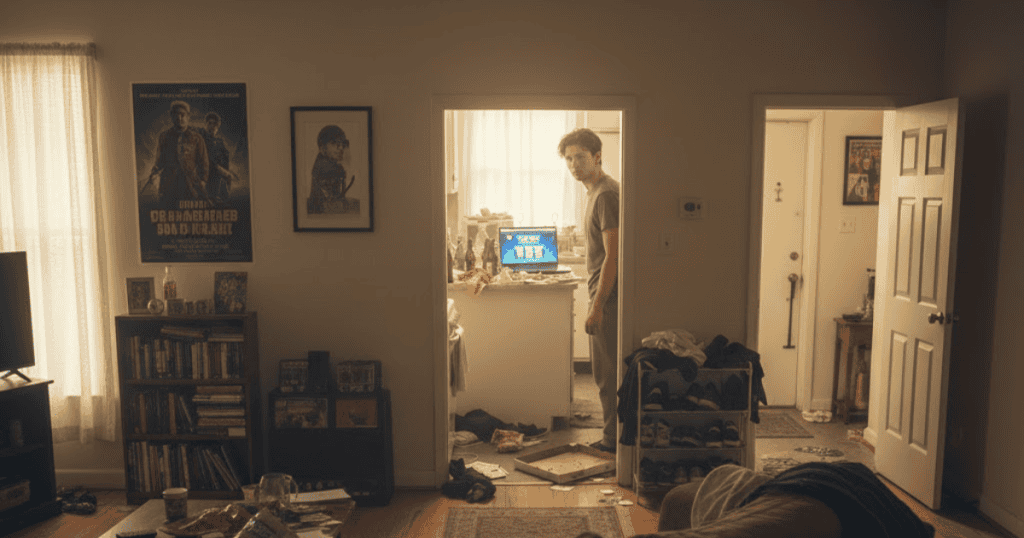
A narcissist’s home isn’t just where they live. It’s where their evidence lives.
You might see:
- Restraining orders.
- Legal notices.
- Unpaid bills.
- Threatening letters from people they had wronged.
- Holes punched in walls.
- Broken furniture from the last rage episode.
When I cleaned out my narcissistic mom’s storage room, I found letters from our school administrators she’d claimed never existed.
There were receipts for purchases she insisted she “never made.”
I also found a shattered picture frame, the same one she once swore she never broke.
Her stories had always been airtight, but the physical evidence told the truth.
Narcissists hide their home because the past they deny sits in plain sight there.
Contradictions they desperately want erased are everywhere.
8. Sometimes, They Don’t Even Have a Home
Some narcissists are so invested in their fantasy identity that they’d rather lie than admit instability.
My toxic uncle once pretended he was living in a luxury apartment downtown, describing the “city views” and “elegant lobby.”
Months later, my cousin discovered he’d been couch-surfing between two friends’ homes and spending his evenings in a gym to look “busy and important.”
The lie wasn’t about survival but superiority.
Narcissists can’t stand the idea of being seen as unstable.
So instead of admitting the truth, they fabricate entire living situations and guard them obsessively.
You can’t be invited to a home that doesn’t exist.
And you can’t expose an illusion they plan to protect at any cost.
Their Home Isn’t the Only Thing They Keep You Out Of
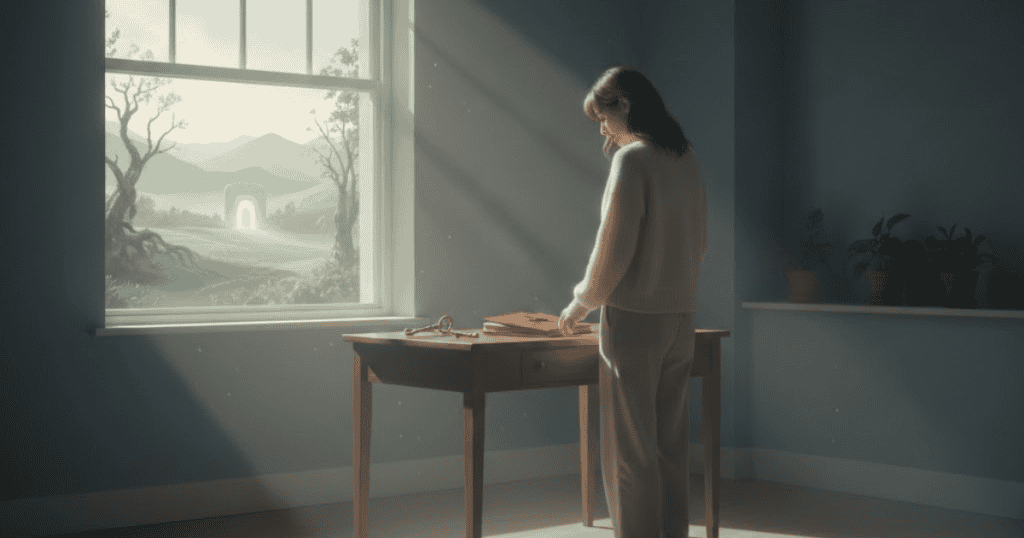
A narcissist hides their home the same way they hide their true self: with secrecy, diversion, and a thousand excuses that seem almost believable.
And then one day, they suddenly don’t.
If something feels “off,” trust that feeling.
Your intuition is your intelligence speaking, not your insecurity.
Real love never requires secrecy.
Real relationships don’t need locked doors, hidden rooms, or shifting stories.
And the more you see the truth, the less their illusion can control you.
Related posts:
- Why Narcissistic Abuse Makes You Feel Goosebumps When Truth Hits Home
- 11 Disturbing Skills Narcissists Perfect (And How They Use Them Against You)
- 6 Stupid Simple Ways to Make Narcissists Feel Exactly What They Put You Through
- Why Explaining Narcissistic Abuse Is Pointless And What I Did Instead
- 3 Subtle Ways That Make a Narcissist Feel Exactly What They Put You Through