

What a narcissistic parent says about you in public and what they quietly believe about you are often two entirely different stories.
I was twenty-nine when I finally heard both versions on the same night.
I had just been promoted to manager, and my mother insisted on taking the family out to dinner to celebrate.
At the table, she raised her glass and told everyone she had always known I would do well because she had pushed me harder than the others.
Minutes later, she leaned toward me and said, “Don’t let this go to your head. They’ll figure out soon enough that you’re not that smart.”
I drove home with both sentences sitting heavy in my chest, trying to work out which one was the real her.
Years later, I understood that both came from the same place.
My success belonged to her when it made her look good, and it became a problem the moment it made me feel good.
That kind of attachment can pass for love, protection, or concern. Underneath, it works much more like ownership.
Once you can name the private beliefs a narcissistic parent holds about their child, the whiplash between praise and cruelty finally starts to make sense.
Table of Contents
It Was Never Love, It Was Ownership

Every behavior that follows grows from a single belief that a narcissistic parent would never admit out loud.
They see their child as an extension of themselves, a piece of their own story that exists to serve a plot they already wrote.
Psychologists call this narcissistic extension.
The child’s looks, choices, and achievements are treated as the parent’s property, to be displayed, corrected, or punished.
I was born into a plot that had no room for me.
My parents had planned for one girl and one boy.
My older sister arrived first and filled the girl slot, so when I came along, I was a second daughter nobody had ordered.
My toxic mother told this story for decades, usually as a joke.
The last time I heard it, I was in my early thirties, sitting beside my husband at a cousin’s wedding reception.
She laughed and told the whole table, “We wanted a boy, and we got her instead.”
My husband squeezed my hand under the table. I smiled the way I had been smiling at that line my entire life.
That joke told me exactly where I stood.
I had been assigned a role before I took my first breath, and I failed it simply by arriving as myself.
Every belief we explore next comes from that same root.
Keeping You Naive Was the Plan, Not an Accident

Narcissistic parents rarely leave gaps in your education by accident.
They hold back the practical lessons about money, relationships, and independence.
This is because a child who understands how the world works is a child who can leave.
My mother never taught me any of it. She barely raised me at all.
The woman who did was a family friend who lived with us.
She showed me how to cook, how to stretch a paycheck, and how to read people who smiled a little too much.
When I signed the lease on my first apartment, I had no idea what a credit check was, and the landlord’s questions made my face burn.
I called my self-absorbed mom that night for help.
She sighed and said, “Why would you even want your own place? You’d never manage on your own.”
So I drove to the family friend, who had since moved into a home of her own.
She spent two hours at her kitchen table walking me through every line of that lease.
That night made something clear.
My mother had decades to prepare me for adult life, and she chose to invest nothing.
A daughter who can’t handle money or contracts keeps calling home. She keeps asking for permission, and she stays within reach.
My confusion kept her in charge.
Competing With Your Youth Instead of Celebrating It

For some narcissistic parents, a daughter’s confidence feels like something being taken from them.
Every compliment you receive lands as a point they have lost, and your youth becomes a mirror they would rather avoid.
Canada was where I first started to feel at home in my own skin.
By my late twenties, I had a career I was proud of, friends who loved me, and a quiet confidence I had built entirely on my own.
My mother noticed, and she didn’t like it.
At one of her birthday dinners, I wore a fitted emerald dress I had saved up for.
Two of her friends stopped me at the door to tell me how lovely I looked.
Within minutes, my mother pulled me into the hallway. “That dress is a bit much,” she said. “Tonight is about me.”
She spent the rest of the evening introducing me to her guests as “the one who tries hard.”
For years, I believed she was teaching me modesty.
Eventually, I saw the pattern.
Her warmth disappeared every time someone else’s attention drifted toward me.
A secure parent can enjoy watching their daughter bloom.
Criticism that arrives right on the heels of your happiness usually says far more about the person delivering it.
Creating the Dependency, Then Shaming You for It

The cruelest part of withholding comes later, when the parent blames you for everything you never learned.
They keep the tools out of your hands, then call you incompetent for struggling without them.
You lose either way.
Research on learned helplessness helps explain why this bind runs so deep.
In a 2016 review of their work, psychologists Seligman and Maier concluded that passivity in the face of hardship is the brain’s default setting.
A sense of control has to be learned through repeated experiences of mastery.
A child who is denied those experiences simply never gets the chance to build it.
At thirty, I made a mistake on my taxes and ended up owing the government money.
At Sunday lunch, my mother announced it to the table. “She still can’t do her own taxes,” she said, shaking her head.
My toxic brother laughed along with everyone else. That same spring, my mother had filed his taxes for him. He was twenty-seven.
She rushed to rescue him from every struggle, and she put mine on display as evidence of my character.
I carried that verdict for years.
Every hard season of my adult life felt like proof of some defect in me, until I finally traced it back to the tools that had been kept from me.
Why Your Pain Sometimes Felt Like Their Victory
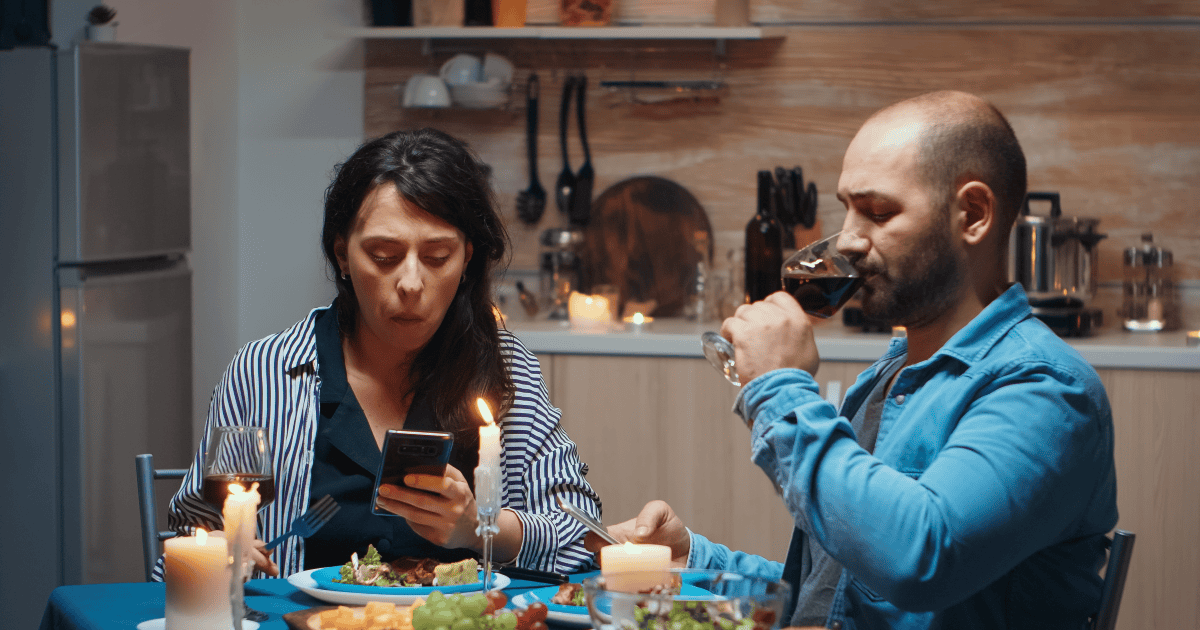
For some narcissistic parents, your tears carry valuable information.
They confirm that the parent’s words still land and that they still have a hand on the controls inside you.
Mental health writers often call this narcissistic supply.
Your hurt, anger, and desperate explanations all feed the parent’s sense of importance.
My mother was a master at drawing it out of me.
For years, her comparisons sent me to the car in tears after family dinners.
The next morning, she would call in a bright, cheerful voice, and I could hear how satisfied she was.
The shift came when I hosted Mother’s Day lunch in my own home.
I had spent two days cooking everything from scratch.
Halfway through the meal, my mother said, “Your sister always puts real effort into her family. She would never cut corners like this.”
Every face at the table turned toward me, waiting for me to crack.
I smiled, said, “I’m so glad you could make it,” and passed her the salad.
Her jaw tightened. She left forty minutes early.
That afternoon taught me the most strategic lesson of my life.
My calm gave her nothing to work with, and a narcissist with nothing to work with has already lost.
Why Independence Gets Treated as Betrayal

Narcissistic parents keep a ledger.
Every school fee, every meal, and every sacrifice gets recorded as a loan, and the repayment they expect is obedience.
My mother’s biggest entry was Canada.
She brought it up whenever I made a decision without her, as if moving across the world had bought her a lifetime vote in my choices.
The bill came due when my husband and I got engaged.
We decided to pay for our own wedding, keep it small, and write the guest list ourselves.
It felt like the most grown-up decision we had ever made together.
Two days after we sent the invitations, my aunt called.
As my mom’s flying monkey, she had always been the one who delivered the messages my mother didn’t want to deliver herself.
“Your mother gave up everything to bring you to this country,” she said.
“And you plan a wedding without even asking her opinion? Do you know how humiliating that is for her?”
I stood in my kitchen holding the phone, feeling like I had been caught stealing.
The same reaction followed every milestone afterward, from the house we saved for to the business we built together.
Each one was treated as a debt I had skipped out on.
Support that arrives with an invoice tells you exactly what the giver expected in return.
You Were Never Meant to Belong to Anyone But Yourself

Naming these beliefs leaves the past exactly where it was. It simply lets you read it clearly for the first time.
Most mornings now, I drink my coffee on the back porch.
My son gets ready for school, and my husband reviews the week’s numbers for the business we built together.
Nobody calls to remind me what I owe. Nobody keeps score of my choices.
When I make a mistake, I fix it quietly without an audience waiting for me to fail.
It took losing most of my family to find this kind of peace, and I would make the same trade again.
I was born to fill a slot in someone else’s plan. I grew into a woman who answers only to herself.
You were always allowed to become fully, unapologetically your own.
Related Posts:
- Narcissist Parent: How I Understood and Protected Myself From Their Toxic Traits
- 5 Reasons Narcissists Have Children (And How It Differs From Healthy Parents)
- Shattering Childhood: 8 Hurtful Things My Toxic Parents Often Say
- How Narcissistic Parents Reveal Their Own Weakness Every Time They Pick a Scapegoat?
- 5 Dark Reasons Narcissistic Parents Choose One Child to Destroy