

Holidays have a way of revealing narcissists rather than flattering them.
The things that make the season warm for most people, like shared joy, traditions, and togetherness, make narcissists feel exposed and threatened.
Every year, I’d watch a small incident blow up into full drama.
My sister turning a harmless stocking-stuffer into an insult, or my mother picking a fight because someone else was laughing too loudly.
It took me years to realize these weren’t accidents.
Holidays remove their favorite shields and expose the cracks they work so hard to hide.
While the season brings comfort to healthy families, it brings discomfort to narcissists.
Here are the real reasons they secretly hate this season.
Table of Contents
1. The Spotlight Isn’t Fully on Them

Holidays require sharing attention, something a narcissist experiences as starvation.
They aren’t built for group dynamics where emotional energy is spread out.
They need a one-directional spotlight, and the holidays break that supply line instantly.
One morning, my cousin’s daughter showed me the snow globe she brought for our yearly exchange.
Everyone was admiring it, and my narcissistic mother suddenly announced she had a “migraine” and needed the room to be silent.
The timing was too perfect. She wanted the attention redirected.
Narcissists cannot be part of a shared experience. They need to dominate it.
When they can’t, they panic, sabotage, or retreat.
2. Other People’s Joy Makes Them Feel Powerless

Joy that isn’t about them feels like a loss of control.
Narcissists interpret other people’s happiness as emotional mutiny, a refusal to let them dictate the tone.
One year, my toxic sister walked into the living room while my husband and I were decorating the tree.
We were laughing about an old ornament that barely survived our childhood.
She glanced at us and muttered, “It’s funny what people pretend to enjoy.”
Then she walked away as if she had dropped a smoke bomb.
Narcissists can’t stand joy that they didn’t author because it proves they don’t control the emotional climate.
Your happiness becomes evidence that they can’t dominate you.
3. Traditions Limit Their Ability to Create Chaos
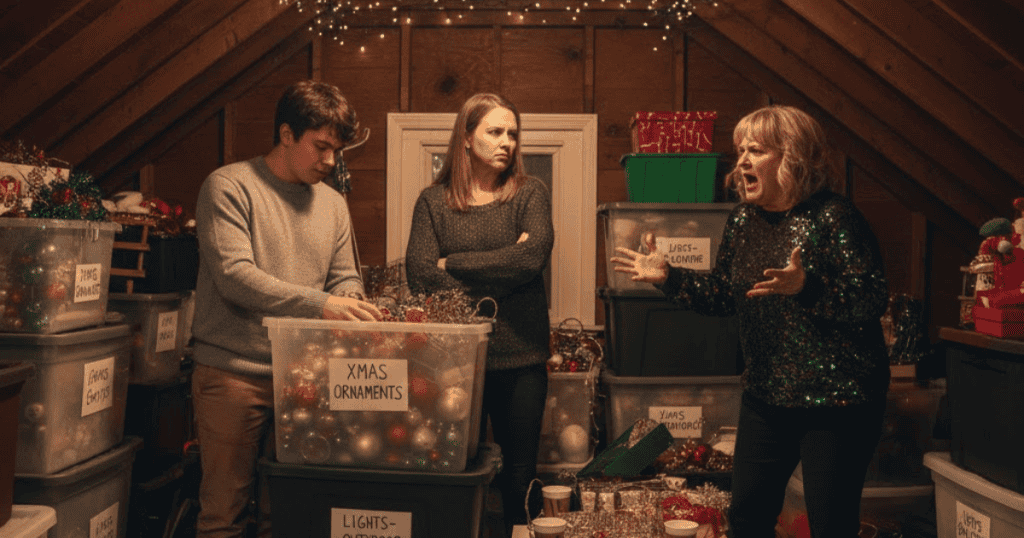
Holiday routines interrupt a narcissist’s favorite manipulation environment: instability.
My self-absorbed brother would create mini emergencies anytime he felt overshadowed by the structure of the day.
He would be misplacing keys, losing tools, or “needing help.”
He once insisted he couldn’t find the ornament hooks, only to “discover” them exactly where they always were, right after everyone shifted their attention to him.
Chaos is their weapon. Predictability neutralizes them.
Holidays expose just how reliant they are on disruption to maintain power.
4. Gift-Giving Makes Their Insecurities Impossible to Hide

Gifts reveal more psychological truth than any therapy session could.
For narcissists, gift-giving is image management, scorekeeping, or manipulation disguised as thoughtfulness.
I remember a holiday when my aunt, another toxic family member, handed me a “thoughtful” gift, then watched my reaction like a hawk.
Every smile, every nod was scrutinized.
When I complimented it politely rather than effusively, she sighed audibly and muttered, “Some people just don’t understand effort.”
In moments like these, a simple act of giving became a test and a reminder that nothing in her world is ever straightforward.
Gifts expose their fear of inadequacy.
They compensate through showmanship, criticism, or emotional strings attached.
Even kindness becomes a calculated battlefield.
5. They Hate Being Expected to “Act Normal” All Day

Holidays require prolonged civility, something narcissists cannot sustain without cracking.
Empathy, patience, and social warmth must be shown in front of multiple witnesses.
One year, my mother spent an entire morning acting warm and gracious for visitors.
The moment they left, she exploded at my toxic siblings for “not helping enough,” even though we did everything.
The mask had reached its limit.
It wasn’t about anyone’s actions, but maintaining control and exhausting everyone else emotionally.
Decency drains narcissists, and kindness without applause exhausts them.
Holidays highlight the difference between people who feel empathy and people who imitate it.
6. Peace Makes Their Dysfunction Stand Out
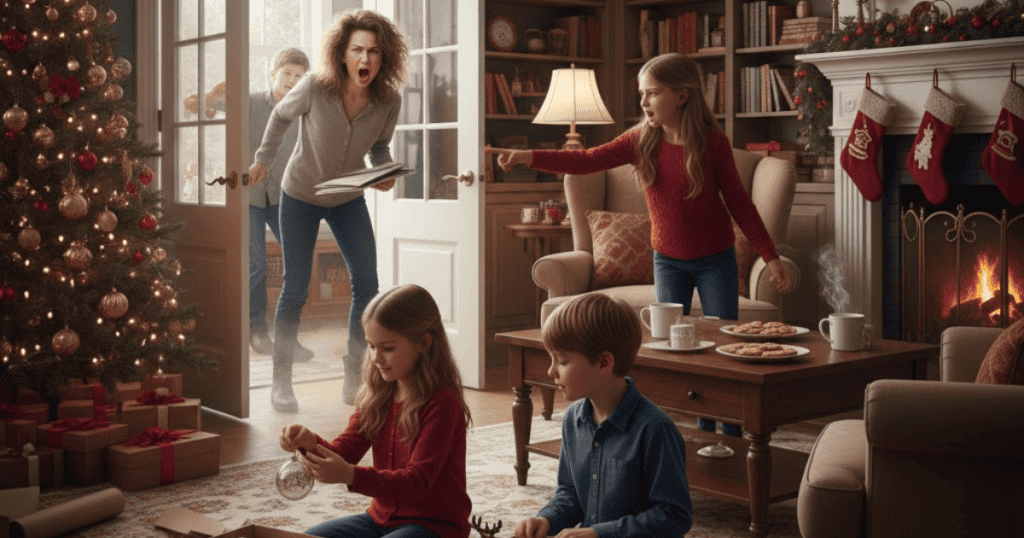
Calm environments expose everything.
My sister once accused us of “talking about her” simply because we stopped chatting when she entered the room.
We weren’t discussing her at all.
But she couldn’t tolerate not being the emotional focal point.
Even my selfish brother has intentionally disrupted calm moments by slamming doors, stomping through the hallway, or loudly criticizing something irrelevant.
Peace forces their dysfunction into sharp contrast.
When the room is calm, their internal chaos has nowhere to hide.
7. Old Memories Threaten the Narrative They Built

Narcissists rely on curated history.
The holidays bring real memories into the open, ones they can’t fully rewrite.
I once mentioned an old project my dad and I worked on together when I was young.
My narcissistic parent instantly corrected me, claiming she was the one who helped him, even though she was never there.
The lie wasn’t for accuracy. It was for image preservation.
A narcissist‘s identity is built on fragile mythology. The holidays threaten to crack that mythology open.
They fear the truth as much as they fear losing control.
What the Holidays Reveal About Narcissists

The holidays expose narcissists.
Their strategies stop working, their masks slip, and their insecurity becomes visible.
The tension you’ve felt was the emotional pressure they put on everyone around them.
But you’re no longer trapped in their narrative.
You get to protect your peace, choose your boundaries, and walk into the season with clarity, not fear.
Your awareness is your advantage. Your peace is your power.
And you never, ever have to apologize for choosing both.
Related posts:
- 11 Things Narcissists Will Confess If They Could Be Honest for 5 Minutes
- 6 Stupid Simple Ways to Make Narcissists Feel Exactly What They Put You Through
- Understand This and 90% of Your Problem With Narcissists Will Disappear
- 8 Subtle Morning Clues That Separate a Narcissist from a Normal Person
- 13 Unsettling Bedtime Habits of Narcissists (You’ll Never See “Goodnight” the Same Way Again)