
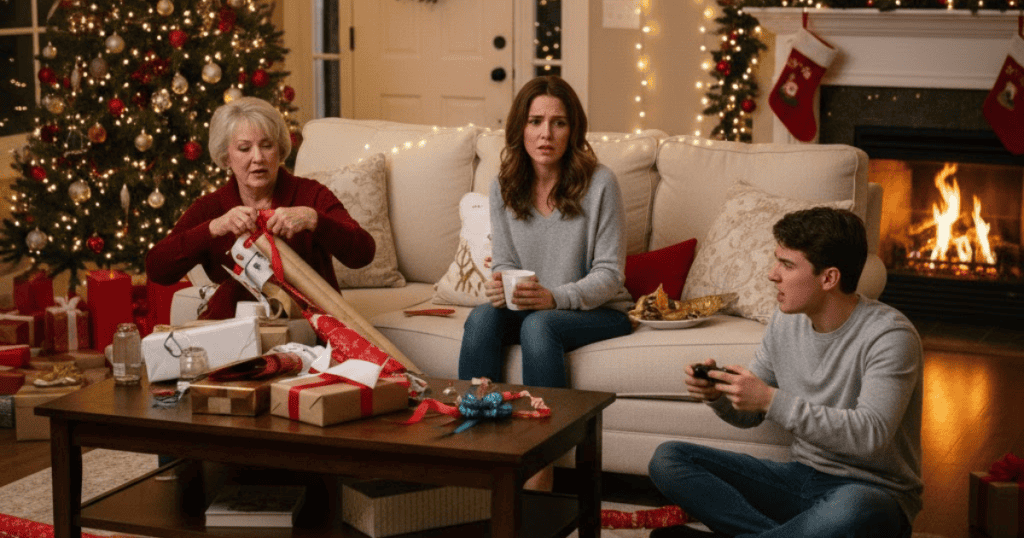
The holidays can feel like stepping into a snow globe: sparkling on the outside but suffocating inside.
For many survivors of narcissistic abuse, the season is a minefield of heightened volatility, while others seem effortlessly joyful.
I once opened a carefully wrapped “gift” from my sister that was intentionally the wrong size.
Another year, my brother loudly corrected me in front of my cousins for something trivial I hadn’t even noticed.
These moments sting because the holiday setting amplifies their control, leaving you questioning your worth.
Narcissists thrive on the chaos of high-stakes celebrations, and we often blame ourselves for the friction.
Here’s why this season becomes a breeding ground for narcissistic abuse and how it shows up.
Table of Contents
1. Escalated Lying, Gaslighting, and Reality Distortion

During the holidays, I noticed my mother would “test” reality in ways that were impossible to ignore.
One morning, she insisted I had promised to bring her signature dessert, a dessert I hadn’t even heard of.
When I gently corrected her, she laughed as if I were exaggerating.
She forced me to apologize to avoid derailing my father’s quiet enjoyment of the morning.
These manipulations intensify because high-stress seasons offer more targets.
Survivors often tolerate more to preserve fragile family harmony.
Feeling confused or questioning your memory is an emotional survival.
Recognizing this was my first step toward reclaiming peace.
2. Public Put-Downs and Humiliation
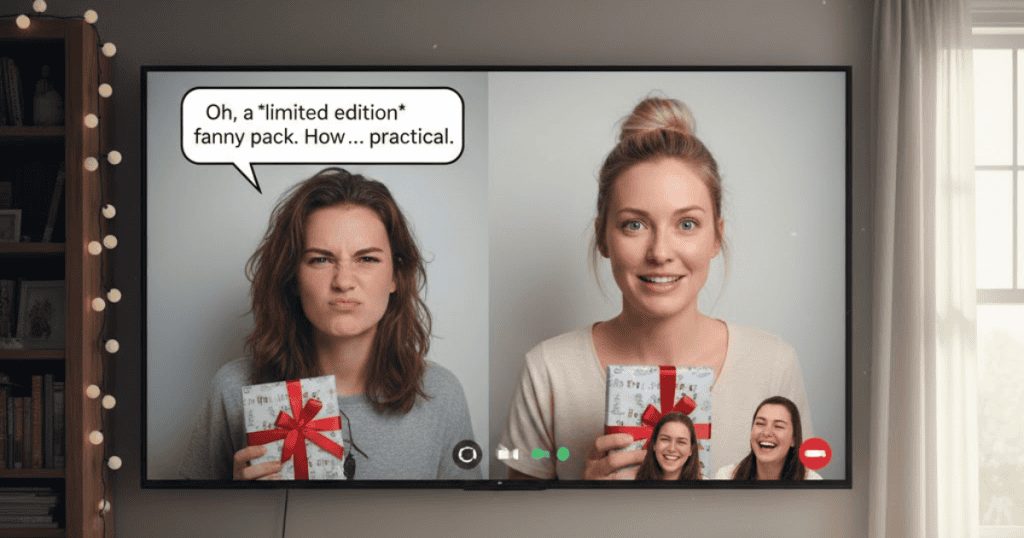
During a Zoom gift exchange, my narcissistic sister made an insulting “joke” about my wardrobe choices.
It left me frozen while everyone else laughed.
It was a public sting, a source of supply for her and embarrassment for me.
I’ve learned that narcissistic abuse survivors often freeze in these moments to avoid a bigger scene.
The humiliation doesn’t need a grand stage.
Sometimes it’s a whispered comment while wrapping presents or a sly remark about your cooking.
The emotional impact, however, is disproportionate.
Acknowledging this validates your reactions and reminds you that survival often looks like silence, not submission.
3. Silent Treatment in Public Settings

One Christmas Eve, my jealous brother ignored me entirely while handing out gifts to my cousins, pretending I didn’t exist.
The quiet was deafening, and pretending everything was fine felt like walking on broken glass.
Unlike private silent treatment, public invisibility magnifies shame and confusion.
The pressure to maintain appearances leaves survivors drained.
Experiencing this repeatedly makes small victories, like holding your composure or exiting the room gracefully, significant.
4. Dog Whistles, Triangulation, and Group Manipulation
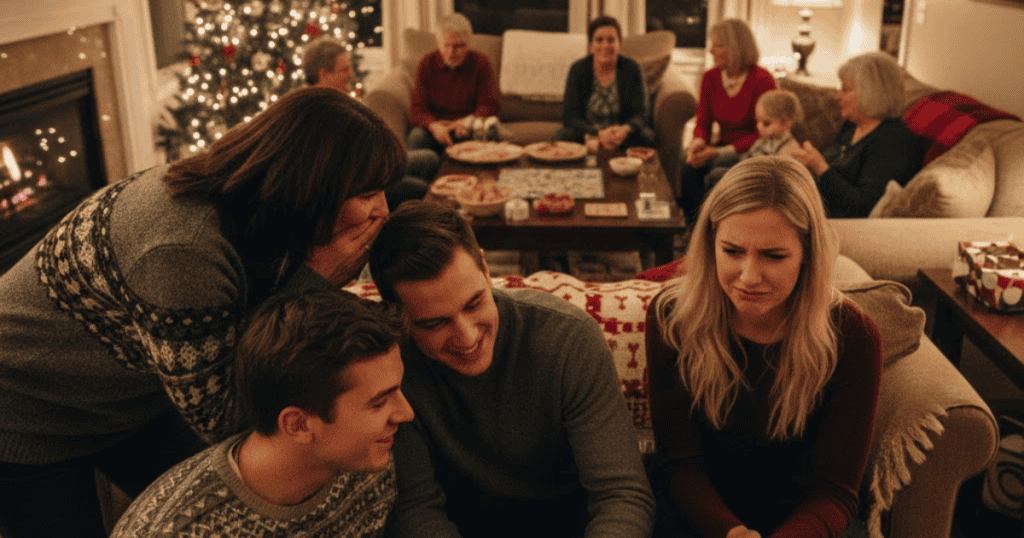
My aunt once made a coded comment about “people who always overthink things,” clearly meant for me, during a casual game night.
I knew the remark was targeted, but no one else seemed to notice.
Narcissists often triangulate to isolate survivors socially and emotionally, pitting siblings or cousins against each other.
During holidays, these tactics flourish as gatherings amplify opportunities to create chaos.
Recognizing these subtle manipulations helped me stop internalizing the messages and begin setting quiet boundaries.
5. Weaponized Incompetence and Financial Sabotage

One December, while we were decorating, my toxic sibling “forgot” to order the lights on time and then blamed me for the delay.
My mother had her own tactic.
She’d overspend on gifts and then drag me into a panic about the finances, as if I were responsible for cleaning up her choices.
Weaponized incompetence and financial manipulation are classic holiday control tactics.
These crises are often deliberate.
They create leverage, distract from accountability, and make survivors question their competence.
Understanding the strategy behind these disruptions is empowering as it turns confusion into tactical awareness.
6. Breadcrumbing, Future-Faking, and Manipulative Gifts

Even amid chaos, my narcissistic parent sent me small texts promising “next year will be different” or hinted at trips that never existed.
My sister did her part too.
She once gave me a “thoughtful” gift that was clearly designed to spark guilt.
Narcissists excel at breadcrumbing and future-faking during lonely moments, keeping survivors tethered to the illusion of hope.
Calling these patterns what they are protects your energy.
It stops you from emotionally overspending and helps you choose small actions that keep you safe.
How to Survive the Holidays With a Narcissist

Survival is tactical.
I started showing up later during my toxic mom’s chaotic mornings and leaving early before the manipulation kicked in.
I always take my own transportation, so no one can control my exit.
Shifting seats, avoiding triggering conversations, and mentally creating “invisible boundaries” reduced my stress without confrontation.
Spending time with supportive family or friends helped the holidays feel safer.
Even taking quiet solo breaks made the whole season easier to handle.
Protecting your peace isn’t selfish. It’s essential.
Even simple choices, like who you sit beside or who you update about your plans, become acts of self-respect and quiet strategy.
The Truth You Need During Holiday Chaos

You are not dramatic or difficult. You are reacting to dysfunction.
Awareness changes everything, and the way you protect yourself is an extension of your self-respect.
No one will treat you better than you treat yourself, particularly in toxic family systems.
I learned this after years of pretending, apologizing, and overcompensating for others’ volatility.
Choosing relationships and moments that honor your dignity is real empowerment. It’s how you rebuild trust in yourself.
The holidays can be a season of strategic defense, not just emotional endurance.
By taking control of your environment and expectations, you reclaim your power, one small, deliberate choice at a time.
Related Posts:
- My Calm Christmas Plan: 9 Boundaries Narcissists Can’t Twist or Guilt Me Out Of
- Why Narcissists Secretly Hate the Holidays (and What That Reveals About Them)
- Why Do Narcissists Ruin Every Birthday and Holiday?
- 6 Holiday Traditions I Built After Narcissistic Abuse And Why They Finally Feel Honest
- 9 Ways a Narcissist’s Body Confesses Their Lies Before Their Mouth Does