
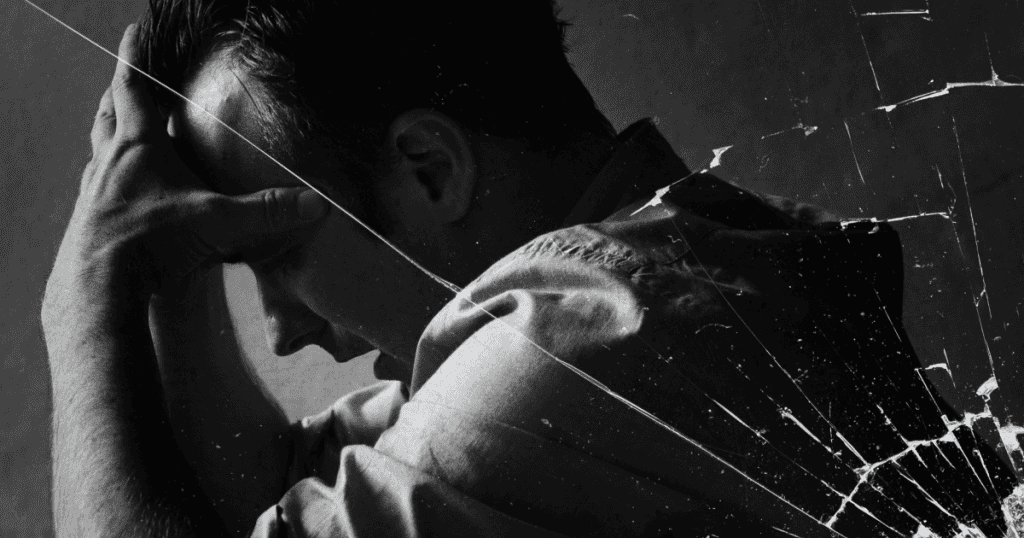
The deepest wound you can give a narcissist requires no confrontation, no revenge, and not a single raised voice.
It happens quietly, on the day you start choosing yourself and keep choosing yourself.
I learned this from my mother.
When most of my family turned against me, she expected me to fall apart. I believe she was even looking forward to it.
I never gave her that moment.
I built a loving marriage, raised a son I adore, and grew a business with my husband. I did all of it without asking her for anything.
Years of defending myself to her never changed a thing.
My calm, steady life unsettled her more than any argument I could have won.
A narcissist feeds on your reaction. Your anger, your tears, and your long explanations all keep you tied to them.
What they cannot handle is watching you thrive without needing them at all.
Your happiness becomes living proof that they were never the center of your story.
The nine ways that follow cost my mother more than anything I could have said to her face.
Each one is simply a way of reclaiming your life, and each one wounds a narcissist’s ego without you even trying.
Table of Contents
Real Power Was Never About Confrontation

A narcissist’s control runs on your need for them.
As long as you rely on them for approval, belonging, or a sense of who you are, they hold the strings.
The most damaging thing you can do is stop needing them.
My narcissistic sister taught me this without ever meaning to.
Back home, she was the golden child, and I was the daughter nobody noticed. That arrangement suited her perfectly.
Then we moved to Canada.
I made friends, joined the basketball team, and people started to see me for the first time in my life.
My sister struggled to find her footing there. I watched her warmth toward me cool into something sharper.
Years later, I finally understood what I had seen.
My happiness no longer depended on her approval, and she had no way to control someone who didn’t need her.
That pattern followed us into adulthood.
Every milestone I reached without her help seemed to sting her more than the last.
Living fully, without asking anyone’s permission, is the quiet defiance a narcissist cannot stand.
They have no counterattack for a woman who simply keeps living well.
9 Ways to Hit a Narcissist Where It Hurts Most

1. Do Things Without Them
A narcissist sees your time, your friendships, and your choices as territory that belongs to them.
Every step you take without them reclaims a piece of it.
My toxic brother grew up as the family prince. He expected to sit at the center of every gathering and every decision.
After I stepped away from our narcissistic family, I built friendships with women who had never heard his name.
We celebrated each other’s wins and stayed close through each other’s hardest seasons.
None of it involved my family, and all of it taught me who I was outside of them.
My brother learned about my life secondhand.
For someone used to being the center, finding out he played no part in it was a lesson he never expected.
2. Learn the Skills You’d Normally Ask Them For
A narcissist needs to be needed. Every task you hand them gives them a reason to feel superior and a reason to stay close.
I once trusted my aunt with my savings. She used that trust against me.
After that, I taught myself everything about money.
I learned how to budget, how to read a mortgage contract, and how to make financial decisions without anyone’s approval.
Each skill I learned closed a door she once had access to.
Think about one task you still defer to a narcissist. Maybe it’s a repair, a tax form, or a big decision you always run past them first.
Picture handling it entirely on your own. That quiet sense of capability belongs to you.
3. Keep Living Fully, Regardless of Their Disapproval

Discouragement is one of a narcissist’s favorite tools. Every time you reach for something good, they remind you why you’ll fail.
My self-absorbed mother called me stupid and useless for most of my life.
When my husband and I talked about starting a business, her voice was the first one in my head predicting I’d lose everything.
We built that business anyway.
We bought our home and raised our son in a house where nobody walks on eggshells.
At first, every success carried her doubt along with it. Over time, her voice grew fainter, and mine grew louder.
Choosing joy in spite of their predictions is its own form of resistance.
Each good thing you build becomes evidence that their version of you was wrong.
4. Refuse to Doubt Your Own Memory
Gaslighting works by teaching you to distrust your own mind.
A 2019 study found that abusers often recruit family members, friends, and sometimes institutions to back up a false version of events.
And they do it repeatedly over time.
My mother did this after the family split. She told relatives that I had abandoned everyone over money.
I knew what had actually happened because I lived through it.
Still, hearing her story repeated by people I loved made me question my own memory.
Based on the study, hearing other people’s accounts of what happened is one of the most powerful ways to restore your trust in your own judgment.
The few people who stayed confirmed what I already knew.
Trusting my memory over her narrative was the moment her version of me lost its hold.
5. Refuse to Become the Words They Used Against You

Insults only keep working if you agree with them.
Once you repeat a narcissist’s words to yourself, they no longer need to be in the room to hurt you.
In our family, I was the difficult one and the disappointment.
My toxic sibling picked up those labels early and used them whenever I disagreed with him.
For years, I carried those words into my adult life.
I apologized too often at work and kept my opinions small in meetings so nobody would see me as difficult.
Rebuilding meant catching those words and questioning them.
I started asking who benefited from me believing I was difficult, and the answer was always the people who wanted me quiet.
Every time I spoke up and nothing terrible happened, the label lost more of its grip.
6. Keep Your Finances Separate and Private
Money gives a narcissist access. They can borrow it, judge it, control it, or use it to keep you close.
My sister always knew my financial plans. She knew how much I had saved and when I hoped to buy my first home.
That information helped make the betrayal possible.
Today, my finances stay between my husband and me.
No relative hears about our accounts or our plans until those plans are already done.
Take an honest look at your own money.
Does a narcissist share an account with you, co-sign a loan, or know details they could use against you?
Opening your own account, changing your passwords, and keeping future plans private are small steps.
Each one removes a lever they once relied on.
7. Protect Your Friendships No Matter What
Narcissists try to isolate you because outside relationships give you something they can’t control.
Every friend who sees you clearly is a witness they can’t manage.
After my aunt took my savings, she expected me to end up completely alone. Most of the family had already chosen her side.
My childhood friend and two cousins stayed.
They kept showing up for dinners, phone calls, and ordinary conversations about our lives.
Through them, I learned what healthy relationships felt like. Nobody kept score, and nobody punished me for having needs.
That perspective was impossible to find inside my family.
Protect the people who knew you before the chaos and the ones who meet you after it, because they remind you what normal feels like.
8. Hold Onto What Genuinely Brings You Joy

Your hobbies and interests belong to you alone. A narcissist has no claim over the parts of your life they were never invited into.
Growing up, my narcissistic brother was the one our family celebrated.
His interests became family events, and mine rarely got a mention.
Basketball changed that for me in Canada. The court gave me teammates, a community, and a place where my effort counted.
Nobody in my family shaped that part of me, so nobody could take it away.
I still live by that lesson.
Protect at least one passion that is entirely yours, whether it’s a sport, a craft, or a class.
It becomes proof that you have an identity outside their reach.
9. Never Give Them a Reaction
Provocation is a fishing expedition.
A narcissist pokes at your wounds to pull out the anger or tears they can later use as evidence against you.
After the betrayal, my toxic sister sent messages designed to make me defend myself.
Each one twisted the facts just enough to make me want to correct her.
For a while, I wrote long replies explaining everything. Those replies only gave her new material to share with the family.
Eventually, I stopped taking the bait. When contact was unavoidable, I kept my words short, calm, and factual.
Composure starved the dynamic of its fuel.
A narcissist can only rewrite your story when you hand them a reaction, so give them nothing to work with.
The Life You Build Is the Only Payback You Need

Every way on this list leaves punishment out of the picture.
Each one is a refusal to stay small for someone who never invested in your growth.
I was born into my mother’s disappointment. My parents had planned for a son, and I arrived as their second daughter.
For years, I tried to become a daughter worth celebrating.
Eventually, I accepted that her approval was never on the table.
Today, my husband, our son, and I live in a home where love doesn’t have to be earned.
The peace inside it means more to me than the house or the business we built together.
I created all of it entirely apart from the people who tried to control me.
Living fully on your own terms will always cost a narcissist more than any argument you could win.
That wound never quite closes for them.
Related Posts:
- 5 Life Victories a Narcissist’s Ego Will Never Allow Them to Have
- 5 Ego-Annihilating Truths That Will Absolutely Wreck Every Narcissist
- Want to Shrink a Narcissist’s Ego? 7 Genius Tricks That Do It Effortlessly
- 9 Everyday Habits That Break a Narcissist’s Ego Effortlessly
- 35 Quick Comebacks to Crush a Narcissists’ Egos on The Spot