

Some relationships look perfect from a distance.
You see the wedding photos framed on social media, the coordinated vacations, and the anniversaries.
The way people describe them is as “solid” or “successful.”
Everything appears stable enough to make you question your own instincts when something feels slightly off.
Then you notice a moment that does not match the image.
Maybe she shares something vulnerable, and he responds with irritation instead of warmth.
Maybe she looks emotionally careful around him in ways that are difficult to explain, but impossible to ignore once you see them.
At first, these moments seem small.
Every marriage has tension, and every couple gets tired.
But over time, the inconsistencies stop feeling isolated.
They begin forming a pattern.
You realize the relationship looks emotionally full from the outside, yet somehow feels emotionally empty underneath.
That disconnect becomes easier to understand once you recognize that some narcissists do not enter marriage to build intimacy.
They enter marriage to secure an image.
And those are two very different goals.
Table of Contents
They Wanted the Role, Not the Relationship
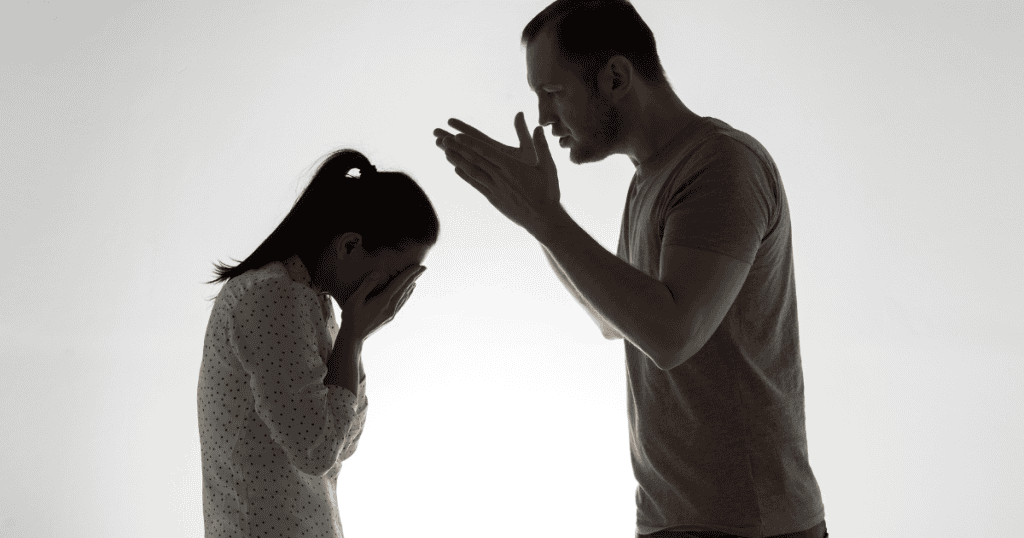
One of the most confusing things about narcissists is how convincing they can seem in the beginning.
They often move into commitment with certainty and intensity.
They talk about the future quickly.
They appear decisive, emotionally invested, and completely sure about you.
To someone craving stability, that confidence feels reassuring.
But performing as a partner is not the same thing as building an emotional connection.
A narcissist can become highly invested in the appearance of devotion.
This is without developing the emotional depth required for genuine intimacy.
They learn the role and study what a committed partner is supposed to look like.
Then they perform it convincingly enough to secure admiration, loyalty, and emotional access.
Years ago, I watched this happen with one of my cousins and her husband.
In the early stages of their marriage, he looked deeply committed.
He never missed an event, posted long birthday tributes online, and loved appearing dependable in public.
But privately, something always felt strangely absent.
One afternoon, she quietly admitted something to me.
She could not remember the last time he asked how she was doing before making the conversation about himself.
That detail stayed with me.
It revealed that you can share a home with someone who fulfills the visible responsibilities of partnership.
Yet they can still remain emotionally unavailable underneath it all.
Narcissists often love the structure of marriage more than the vulnerability required inside it.
Because the role provides recognition.
The relationship requires emotional reciprocity.
And those are not the same thing.
Marriage Becomes Proof for Narcissists

For many narcissists, marriage functions as visible validation.
It represents success, desirability, stability, and social approval.
Marriage becomes evidence that they are admired, chosen, and “doing life correctly.”
That is why appearances often matter so much more than emotional reality.
The focus stays heavily centered on milestones, presentation, and perception.
The wedding, the house, and the curated family image matter.
How other people view the relationship becomes part of the emotional currency they depend on.
I saw this dynamic clearly with my narcissistic mother years ago.
There was a period when tensions inside the house were unbearable because she argued with my dad.
Everyone walked carefully around her moods.
Conversations felt tense even during ordinary mornings.
Yet when the second visitor came over, she transformed completely.
Suddenly, she became warm, attentive, and performatively affectionate to him.
After the guests left, the emotional coldness returned almost immediately.
That contrast taught me something uncomfortable very early in life.
For narcissistic people, maintaining the image of connection can matter far more than nurturing actual connection.
In marriage, this often creates a strange emotional contradiction.
The relationship looks stable publicly while quietly deteriorating privately.
Problems remain unaddressed because acknowledging them threatens the image itself.
And protecting the image becomes more important than repairing the relationship.
The Connection Starts to Feel Uneven

Over time, the emotional imbalance becomes difficult to ignore.
Conversations revolve around the narcissistic partner‘s stress, frustrations, ambitions, and emotional needs.
Your experiences receive brief acknowledgment before the attention shifts back toward them again.
At first, you compensate naturally.
You become more understanding, more patient, and more accommodating.
You tell yourself they are stressed, distracted, overwhelmed, or emotionally guarded because of past experiences.
But emotional reciprocity never fully arrives.
I remember noticing this pattern with my aunt during a difficult stretch in her marriage.
No matter what was happening, every conversation centered around her frustrations with her husband.
If he expressed exhaustion, disappointment, or emotional needs of his own, she redirected the conversation back toward herself.
Over time, I noticed how much quieter he became around her.
He stopped disagreeing openly and stopped bringing things up.
He mostly focused on keeping the peace instead of being emotionally honest.
That is what often happens in narcissistic marriages.
The partner gradually becomes quieter.
They stop bringing up emotional needs because the conversations rarely lead anywhere productive.
They become more agreeable to avoid unnecessary conflict.
They start editing themselves emotionally just to keep the relationship functioning smoothly on the surface.
The imbalance becomes normalized long before it becomes fully understood.
And that is why many people stay confused for years.
The relationship slowly erodes emotional visibility, one adjustment at a time.
You Were Positioned to Support, Not to Be Seen

One of the hardest realizations comes when you understand the role you were unconsciously assigned inside the narcissistic relationship.
Your job became maintaining stability.
You learned how to avoid triggering conflict and when to stay quiet to manage tension before it escalates.
Without realizing it, you slowly became responsible for protecting the emotional structure of the relationship itself.
Meanwhile, your individuality began shrinking underneath that responsibility.
I remember seeing this pattern clearly in a close friend’s marriage.
Her husband was deeply narcissistic, and over time, she became hyperaware of his moods, reactions, and emotional triggers.
Before speaking, she carefully considered how he might interpret certain words.
If something good happened in her life, she downplayed it to avoid making him feel overlooked.
If something upset her, she kept it brief because he usually redirected the conversation towards his own frustrations.
Conversations felt less like connection and more like emotional navigation.
That emotional adaptation becomes exhausting over time.
Especially because it contrasts so sharply with the beginning of the relationship.
At first, narcissists often make you feel deeply loved and chosen.
Their attention feels intense enough to create emotional certainty quickly.
But later, the dynamic changes.
You no longer feel emotionally valued as a person.
You feel managed and overlooked, always secondary to their needs, moods, and self-image.
And the shift feels disorienting because you keep comparing the current relationship to the version they showed you at the start.
Everything Changes When You Stop Playing Along

The real structure of the relationship usually reveals itself when the partner stops cooperating silently.
The moment you set boundaries, ask for emotional accountability, or pull back emotionally, the response often changes quickly.
It shifts once you stop accommodating them emotionally.
A simple boundary or reasonable request can suddenly trigger irritation, coldness, or accusations.
That reaction alone tells you that healthy love can tolerate reasonable boundaries.
Narcissistic attachment often cannot.
One time, my cousin confronted her toxic husband after he repeatedly dismissed responsibilities that affected her.
She spoke calmly, explaining that the imbalance was exhausting and unsustainable.
His reaction felt wildly disproportionate to the conversation itself.
Within minutes, he accused her of being controlling and difficult.
The discussion became centered around how unfairly “criticized” he felt.
That moment clarified something for me.
Reasonable requests only feel threatening when a relationship depends on one person remaining emotionally unchallenged.
In narcissistic marriages, boundaries often expose the hidden agreement underneath the relationship.
“Support me, regulate me, accommodate me, but do not require too much emotional accountability from me in return.”
Once that agreement gets disrupted, the emotional tone changes fast.
What They Lose Isn’t You, It’s the Image

This becomes especially visible during separation or divorce.
Many narcissists appear devastated by the loss of the relationship.
But their reactions often center more around identity, control, and public perception than emotional grief itself.
They focus heavily on how the separation looks and what people will think.
They also focus on how the story gets told and whether their image remains intact.
That is very different from genuine grief.
Genuine grief involves emotional reflection, sadness, and the painful recognition of shared loss.
Narcissistic reactions often stay heavily centered on reputation management instead.
I watched this happen after a distant relative separated from her husband years ago.
He seemed more concerned with explaining the breakup publicly than understanding why the marriage collapsed emotionally.
He obsessed over appearances, narratives, and who would be blamed.
Meanwhile, she quietly grieved the relationship itself.
That contrast explained everything.
One person was mourning a connection, while the other was protecting identity.
And those are not remotely the same experience.
Why This Hurts More Than It Should

This kind of relationship creates a very specific kind of grief.
Because you did show up with genuine emotional investment.
You treated the relationship like something that deserved honesty, consistency, and care.
Because you approached the marriage sincerely, you assumed the connection came from the same emotional place on both sides.
That is why the realization hurts so deeply afterward.
You grieve the discovery that the emotional connection may never have existed in the same way for them.
That realization can feel psychologically devastating for highly self-aware people.
They replay everything, looking for the moment they missed the truth.
My father went through a smaller version of this dynamic with my toxic mom.
For years, he believed that if he communicated more carefully and became more understanding, things would improve.
He believed the relationship would eventually feel emotionally safe.
It took him a very long time to understand what was happening.
He was trying to build a mutual connection with someone focused primarily on emotional control and self-preservation.
That realization created grief, but it also created clarity.
Because confusion finally started making sense.
You Weren’t Loved in a Role, You Tried to Build Something Real
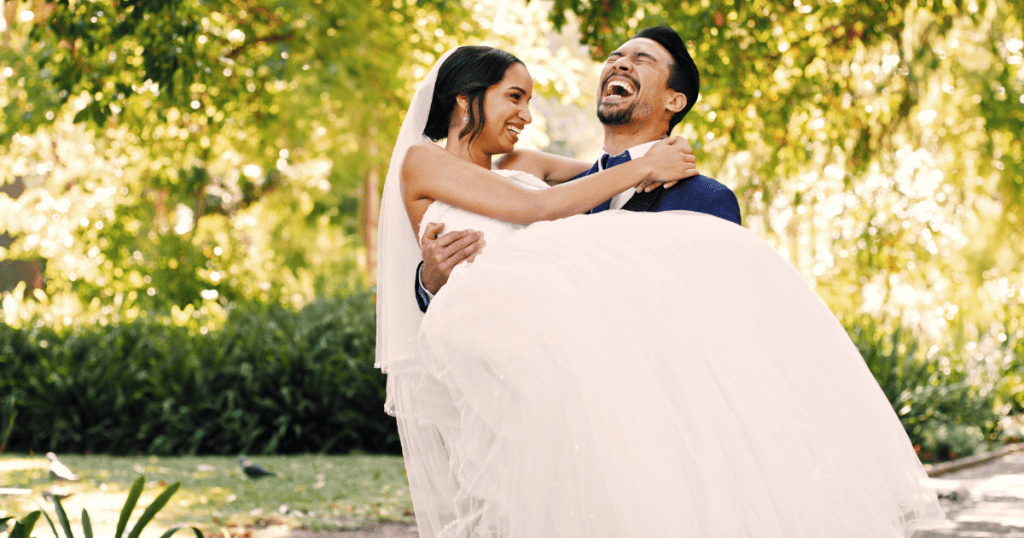
There is a difference between being needed for a role and being loved as a person.
Narcissists often need stability, admiration, emotional regulation, and image reinforcement.
That need can look very convincing at first because it imitates attachment closely enough to feel real.
Genuine love makes space for you to exist as a complete person.
Your emotions are not treated like inconveniences.
Your individuality does not slowly disappear just to keep the relationship functioning peacefully.
Your needs do not become inconvenient the second they require accountability from the other person.
The confusion came from sensing the gap between what was presented and what was actually happening underneath.
And when something consistently feels performative instead of emotionally connected, that feeling is not insecurity.
It is awareness.
Related posts:
- The Hidden Cost of Marrying a Narcissist
- Are All Narcissists Cheaters? Not Exactly, Here’s Why You Still Can’t Trust Them
- Don’t Make This Mistake When You’re Trying to Move On From a Narcissist
- 6 Realities You Don’t See Until the Narcissist No Longer Owns Your Heart
- 11 Parenting Wins That Drive Narcissistic Exes Crazy (Even If They Won’t Admit It)