

Some people leave narcissistic abuse, but the story does not leave them.
You can change cities, careers, phone numbers, and even last names.
Yet, you still feel as if one relationship remains emotionally active inside you.
It lingers beneath your accomplishments and new routines, refusing to fade into the background.
I built a stable life. I married a grounded man who believes in calm, rational conversations.
I strengthened my bond with my dad and cousins, and I secured financial independence as my safety net.
Yet internally, one relationship continued to echo.
For a long time, I misread that echo as longing.
It took years to understand something far more unsettling and far more freeing: maybe I did not miss them.
Maybe I was missing the version of me that disappeared to survive them.
That distinction changes everything.
Once you see it, you stop asking why you still care about someone who hurt you.
You start asking a more strategic question.
“Who did I have to become to endure that environment, and do I still need to be her now?”
Table of Contents
It’s Not About Missing The Narcissist

When women tell me they still think about their narcissistic mother or sibling years later, the immediate assumption is unresolved love.
Psychology tells a different story.
What often lingers is not affection but a trauma bond.
It’s a neurological attachment formed through cycles of unpredictability, intermittent validation, and emotional withdrawal.
The brain becomes conditioned to seek relief from the very person who creates the distress.
That pattern does not dissolve just because contact ends.
After I went no-contact with my mom, I expected that the relief would feel clean and uncomplicated.
Instead, I felt disoriented.
On quiet Sunday mornings, I would catch myself replaying old conversations.
Not because I wanted closeness, but because my nervous system had been trained to scan for her reactions.
That scanning had become part of my identity.
According to experts, survivors of long-term emotional abuse are often grieving for who they became inside the relationship.
You are not mourning their absence.
You are mourning the hypervigilant, smaller, more strategic version of yourself that was constructed to survive.
And your brain does not yet know who you are without that role.
When Your Identity Gets Reshaped to Survive

Chronic relational stress does not just hurt your feelings. It reorganizes your personality.
Over time, you shrink preferences to avoid criticism.
You soften opinions before speaking, monitor facial expressions, and learn which topics are safe and which trigger retaliation.
What looks like devotion from the outside is often adaptation.
In my early thirties, I noticed I no longer answered questions directly.
When my toxic sister would challenge a simple decision I made, I would immediately provide layered explanations.
It was as if I were presenting a legal defense instead of stating a preference.
That reflex followed me into boardrooms and friendships long after I reduced contact with her.
It was not kindness. It was conditioning.
Research supports this shift.
A 2011 study found that prolonged relational stress significantly alters self-concept clarity.
This effect is especially strong in environments involving chronic criticism and ongoing role strain.
Individuals exposed to persistent emotional stress reported diminished identity stability and increased self-doubt.
In abusive family systems, identity becomes externally regulated.
You stop asking, “What do I want?” and start asking, “What will keep the peace?”
That shift is not a weakness. It is survival intelligence.
But survival identities are not meant to be permanent.
What Happens in the Brain After Separation
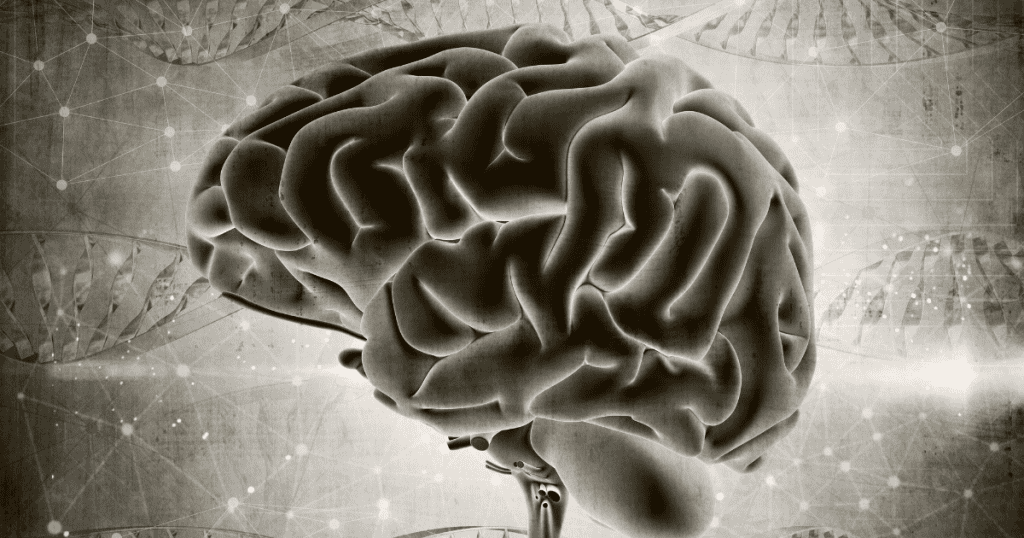
Many survivors describe feeling “split” after going no contact, as if they do not fully recognize themselves.
There is a neurological reason for that.
Psychologists use the term “self-concept collapse” to describe the confusion that can occur when two identities become deeply intertwined.
In enmeshed or abusive dynamics, your brain begins integrating the other person into your sense of self.
Their reactions shape your decisions, and their moods influence your nervous system.
Over time, your internal map includes them.
Remove the person, and the map glitches.
According to a 2010 neuroimaging study, social rejection activates brain regions associated with physical pain and self-referential processing.
Follow-up imaging studies on relationship loss have shown reduced activity in areas linked to self-awareness and identity integration.
This reduction is especially noticeable during the early phases of separation.
This is not poetic language. It is measurable.
I experienced this during something as ordinary as setting up a new bank account.
The form asked for an emergency contact, and my hand hesitated longer than it should have.
For years, I had structured financial decisions around avoiding conflict with my narcissistic parent.
She reacted dramatically to any boundary involving money.
Even though she was no longer involved in my life, my brain still anticipated her response.
The confusion was neurological, not emotional weakness.
When your identity has been partially organized around managing someone else, separation requires neural reorganization.
That takes time.
Why Closure Doesn’t Actually Work

Many survivors chase closure conversations, believing they will finally feel free.
The brain does not crave answers. It craves coherence.
You can understand intellectually that your toxic mom will never change, and still feel mentally looped.
That loop persists because explanation alone does not reclaim and rebuild identity.
It only clarifies the past.
After one particularly tense phone call years ago, I wrote down all the abuse tactics my mother used.
I categorized them, analyzed them, and even mapped patterns across decades.
My strategic brain felt satisfied, but my nervous system did not.
The mental replay continued because the part of me that had formed around managing her still existed.
Closure cannot dismantle a survival identity. Only reconstruction can.
Understanding the abuse gives you language.
Rebuilding yourself gives you freedom.
This Isn’t Unhealed Love, It’s Unfinished Identity Repair

Longing and identity confusion feel similar in the body.
Both create restlessness and generate mental replay, but they are not the same.
Emotional abuse systematically silences internal decision-making.
When every choice is criticized, overruled, or mocked, you begin outsourcing authority.
Over time, you distrust your own perceptions.
You double-check harmless decisions and monitor your tone to ensure you are not “becoming like them.”
That fear is common among high-functioning women who escaped narcissistic families.
You are terrified of replicating the harm, so you overcorrect.
You self-monitor constantly and apologize preemptively.
I caught myself doing this with my husband once during a simple disagreement about home renovations.
My heart raced as if conflict meant annihilation.
He calmly asked why I seemed so tense.
The question startled me because tension had been my baseline for years.
That moment clarified that I was not missing chaos. I was detoxing from it.
Psychologists emphasize that rebuilding internal trust is central to recovery from narcissistic abuse.
You must relearn how to make decisions without external permission.
That process feels unstable because autonomy was once punished.
You are not in love with your abuser. You are recalibrating your internal compass.
Rebuilding Yourself on Purpose

Identity repair is not passive. It is strategic.
One of the most evidence-based tools for post-breakup recovery is expressive writing.
Research found that structured emotional writing improves emotional regulation.
It also strengthens cognitive processing after relational stress and self-concept clarity during recovery.
Participants who practiced reflective journaling showed faster psychological integration than those who avoided reflection.
The key is focus.
Do not journal about them. Journal about you.
Instead of replaying arguments with your narcissistic siblings, write about the preferences you suppressed.
Instead of analyzing your parents’ manipulation, document the decisions you made independently this week.
Cognitive restructuring works when attention shifts from the narcissist’s behavior to your evolving identity.
During one particularly raw period, I committed to writing one page each morning about a trait I wanted to strengthen.
Decisiveness.
Direct communication.
Financial sovereignty.
Over months, I noticed that my internal dialogue shifted from defense to direction.
Strategic and fearless women appreciate this approach because it feels like regaining tactical advantage.
You are not healing through softness alone. You are rebuilding through design.
Start small.
Choose a restaurant without polling anyone.
State boundary rules without rehearsing twelve disclaimers.
Notice discomfort and let it pass without interpreting it as danger.
Identity strengthens through repetition.
You’re Not Stuck, You’re Reconstructing

Moving on is not about forgetting. It is about integration.
You will not return to the woman you were before the abuse.
That version of you did not yet possess the discernment, financial strategy, and boundary awareness you now carry.
Trying to resurrect her keeps you anchored to the past.
Build the clearer version instead.
You do not miss them. You are rebuilding yourself.
And reconstruction is not a passive process. It is deliberate, layered, and sometimes uncomfortable.
This is because growth requires releasing survival patterns that once protected you.
What feels like being stuck is often your mind reorganizing itself around truth instead of fear.
It is choosing stability over chaos and self-trust over self-doubt.
Related posts:
- Don’t Make This Mistake When You’re Trying to Move On From a Narcissist
- Why Your Narcissistic Family Expects You to Move On Without an “Apology”?
- The 6 Stages of Detaching From Narcissistic Abuse (And Why 95% Stuck in Stage 3?)
- 12 Daily Habits That Keep You Sharp and Strong After Narcissistic Abuse
- How I Stopped Feeling Invisible After Narcissistic Abuse (and Became Magnetic as Hell)