

Healing after narcissistic abuse goes deeper than just “moving on.”
It means untangling the survival patterns that once kept you small, the people-pleasing, the silence you used to stay safe.
It’s learning to stop minimizing your pain just to keep others comfortable.
Therapy taught me that recovery isn’t fixing what’s broken in you, but understanding what was never yours to carry.
It’s not about “getting over it” but seeing it clearly for the first time.
When you’ve been raised in narcissism, your definition of love, safety, and self-worth gets rewritten by people who fed off your confusion.
My therapist once told me, “Healing from narcissistic abuse isn’t about forgiving them. It’s about finally choosing you.”
That sentence cracked something open in me.
Here are eight pieces of therapist wisdom that stick for life, especially if you’ve ever been blamed, gaslit, or made to feel responsible for someone else’s chaos.
Table of Contents
8 Therapist Lessons That Rewire the Way You Heal

These are the truths survivors of narcissists remember long after therapy ends, the kind that don’t just comfort you, but recode your nervous system.
They name what narcissistic abuse once made confusing.
1. “People who need therapy don’t come to us. Their victims do.”
I remember sitting in a quiet therapy room, holding a tissue and whispering, “I just wish my mother would go to therapy.”
My therapist smiled gently and said, “People who need therapy don’t come to us. Their victims do.”
That sentence hit like a thunderclap.
For years, I’d carried the emotional debris of my narcissistic mother’s unhealed wounds. Her rages, her manipulation, her icy silences.
I believed if I could just understand her better, she’d soften.
I didn’t realize I was doing her emotional labor for her.
But in therapy, I learned that I wasn’t weak for needing help. I was courageous for showing up.
Narcissists rarely face their pain because their survival depends on denial.
When survivors come to therapy, we’re doing the work the abuser refused to do.
That’s generational courage.
If you’ve ever thought, “Maybe I’m the problem,” remember that you’re in therapy, reading, learning, evolving, and they’re not.
That’s the difference between guilt and growth.
2. “Trauma explains behavior. It doesn’t excuse behavior.”
For years, I excused my toxic brother’s cruelty because I knew how much he’d suffered under our mother’s volatility.
He’d slam doors, mock me, and twist my words, but I’d think that he’s just in pain.
My therapist looked me in the eye one day and said, “Trauma explains behavior. It doesn’t excuse it.”
That became my boundary line.
Understanding someone’s damage is compassion. Tolerating their destruction is codependency.
You can hold empathy and accountability in the same hand.
There’s a difference between saying, “I understand why you’re hurting,” and “It’s okay for you to hurt me.”
Empathy without boundaries becomes self-destruction disguised as love.
3. “The person you miss every day is making a conscious decision not to reach out. That’s all the closure you need.”

When I cut off my mom, silence echoed louder than her voice ever did.
Every morning, I’d check my phone, hoping for an apology that never came.
I thought closure meant a heart-to-heart, a confession, something to make sense of it all.
Then my therapist said softly, “She’s making a conscious decision not to reach out. That’s your closure.”
I learned then that silence is a response. It tells you where someone stands without words.
I stopped interpreting her absence as punishment and started seeing it as protection.
Now, when I feel the ache of missing her, I remind myself that it’s not her that I miss but the version of me who still believed she could change.
Closure isn’t something they give. It’s something you claim.
4. “To heal a wound, you need to stop touching it.”
I used to replay every argument in my head, every word my jealous sister said to cut me down, every facial expression that screamed disdain.
I thought if I analyzed it enough, I’d finally understand why she did it.
But therapy taught me that rumination is reopening.
“To heal a wound,” my therapist said, “you need to stop touching it.”
Healing from narcissists doesn’t come from dissecting the past until it stops hurting.
Peace starts to grow when you accept that the pain won’t fade by constantly reopening old wounds.
Now, when memories surface, I visualize them as scabs, which are evidence of healing.
I’ve learned that walking away is choosing peace over chaos. It’s wisdom, not weakness.
5. “Healthy people don’t mind healthy boundaries.”

The first time I told my toxic sibling “no,” she exploded, calling me selfish, dramatic, and ungrateful.
That night, I told my therapist what happened, and she said, “Healthy people don’t mind healthy boundaries.”
That became a diagnostic tool.
Healthy boundaries reveal who’s safe and who’s entitled.
Every time someone resents your limits, they’re revealing what they were taking without permission.
When I started saying no to my mother’s demands, the emotional check-ins, guilt trips, and manipulations, her love suddenly came with conditions.
But love that punishes you for protecting yourself isn’t love. It’s control.
Now I measure relationships not by how people react when I give, but how they behave when I say no.
6. “Feelings, fears, and emotions are not facts.”
Narcissistic conditioning blurs emotional reality.
I grew up believing that my feelings were wrong.
If I said I was hurt, my mother said I was too sensitive. If I said I was angry, my sister said I was overreacting.
Eventually, I began gaslighting myself.
My therapist once said, “Your feelings are valid, but they’re not always accurate.”
That sentence saved me.
Healing means learning to hold your emotions with compassion while checking them against the truth.
For example, when guilt rises, I ask myself, “Is this guilt or conditioning?”
Emotional regulation isn’t cold detachment. It’s verifying your emotions with reality instead of your abuser’s narrative.
It’s learning to tell the difference between emotional truth and emotional training.
Now, when I feel fear, I don’t run from it. I fact-check it.
7. “If they had no voice, what are their actions telling you?”
This was the hardest one.
My controlling brother once promised he’d “do better” after publicly humiliating me during a family event.
The next week, he ignored me again. His words said sorry, but his behavior said repeat.
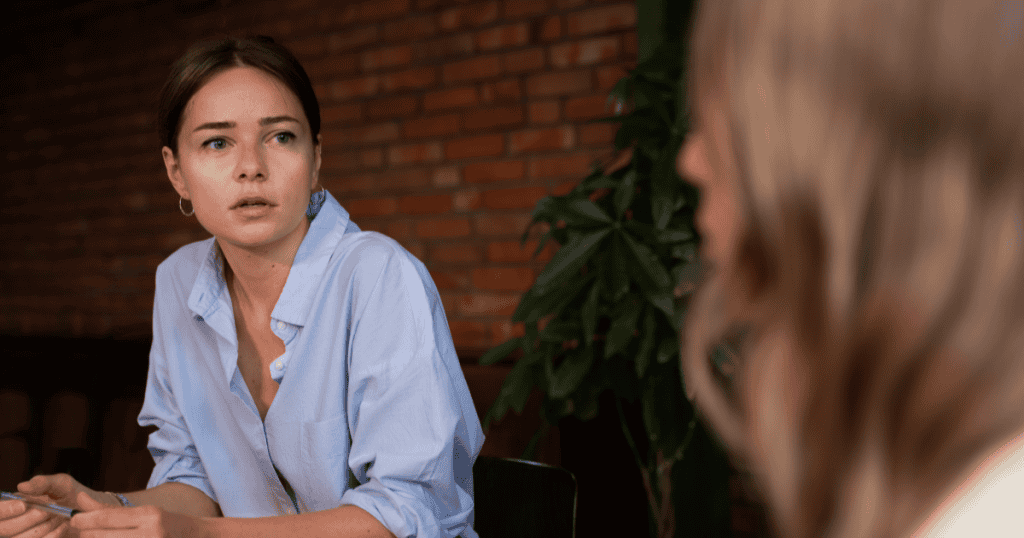
My therapist said, “If they had no voice, what are their actions telling you?”
That line rewired how I read people.
Narcissists perform empathy like theater, but actions never lie.
If their “change” only lasts as long as your compliance, that’s not growth. That’s manipulation.
Now, I watch patterns instead of promises.
Apologies mean nothing without change, and “I love you” means little from someone who keeps breaking you to feel powerful.
You’ll know you’ve healed when you stop decoding their words and start trusting what their toxic behavior has already confessed.
8. “If you want to heal your trauma, you have to come to terms with it first.”
Awareness and acceptance aren’t the same thing.
For years, I knew my mother was narcissistic.
I’d read the books, watched the videos, highlighted the narcissistic traits, but I still couldn’t accept it.
I clung to denial like a blanket: “Maybe she’s just misunderstood. Maybe it’s me.”
My therapist told me, “You can’t heal from what you’re still trying to protect.”
That line broke the last illusion.
Healing began when I stopped editing the truth to make her look better.
Acceptance doesn’t mean liking what happened. It means owning your story without shame and saying, “Yes, it happened. And yes, I survived it.”
The day I said those words aloud, I felt both grief and freedom.
Grief for what I never had. Freedom for what I finally claimed: my truth.
What These Lessons Really Teach You

Each therapist’s truth is more than a quote. It’s a map back to yourself.
They teach you to trust your perception again. To see through the fog of gaslighting and self-doubt.
To realize that healing is about becoming unconfused rather than untouchable.
Therapy helped me see that self-trust is the ultimate form of narcissistic abuse recovery.
You stop explaining yourself to people who never listen and stop begging for clarity from those who thrive on chaos.
And slowly, you build emotional independence because you finally know who’s safe to need.
Healing from narcissistic abuse isn’t linear.
Some days, I still flinch when I hear my mom’s tone in someone else’s voice. But now, I notice it with awareness, not panic.
That’s progress.
Therapy rewires your relationship with the past.
You start seeing patterns before they trap you. You start choosing peace over proving your worth.
And one day, you realize you’ve become the version of yourself your younger self needed most: clear-eyed, steady, and self-loyal.
The Wisdom You Carry Forward

Healing isn’t about becoming perfect. It’s about becoming real again.
These lessons are emotional armor. They reshape how you love, trust, and choose.
Now, when I walk into a room, I no longer scan for danger. I scan for peace.
I no longer overexplain my boundaries. I embody them.
And I no longer chase apologies that will never come. I live in a way that makes them irrelevant.
The best therapist you’ll ever have is the version of you who finally learned to listen.
Related posts:
- 7 Innocent Questions That Make Every Narcissist Despise You (For All The Right Reasons)
- How I Stopped Feeling Invisible After Narcissistic Abuse (and Became Magnetic as Hell)
- Setting Boundaries vs. Seeking Revenge (And Why Narcissists Confuse the Two)
- 6 Smart Ways to Call a Narcissist ‘Are You Dumb?’ Without Them Catching On
- How to Reclaim Your Adult Identity After Growing Up in a Narcissistic Family