
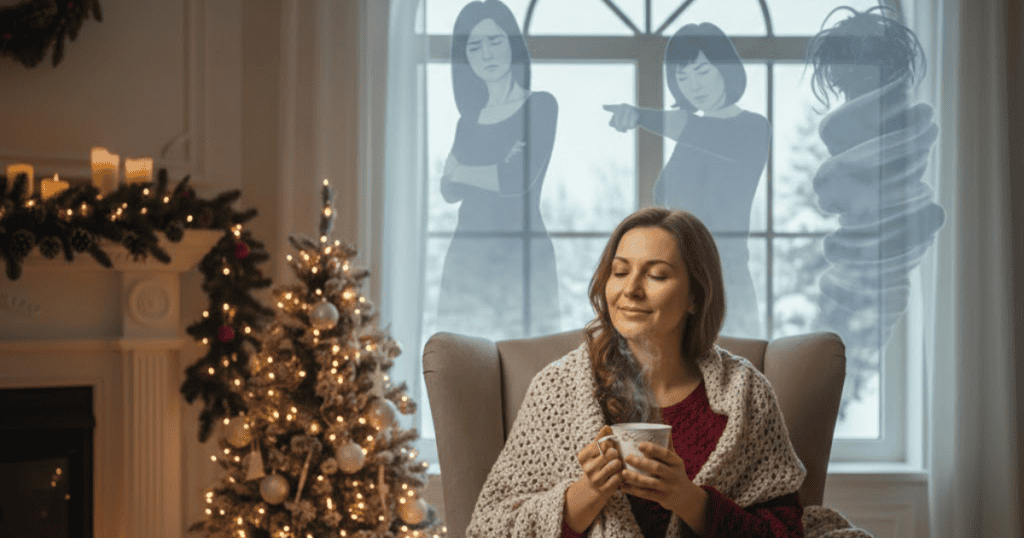
For years, the holidays felt like a forced performance: exhausting, chaotic, and always judged by whether my mother or siblings approved.
I walked into December already bracing myself, rehearsing lines, and shrinking my needs just to keep the peace.
Now, after stepping back from the narcissistic family dynamics that shaped my life, the holidays feel completely different.
It’s quieter, gentler, and honest.
Leaving those systems comes with guilt, confusion, and an ache you can’t quite name.
You grieve the fantasy of what holidays should have been.
But rebuilding them is where the healing started.
Here are the traditions I created that finally feel like mine. Calm, intentional, and rooted in truth.
Table of Contents
1. I Stopped Forcing Myself Into Old Family Rituals

Leaving my narcissistic family’s rituals finally broke a decades-long spell.
Holidays were never about joy, but about assignments, choreographed by my mother’s need for control.
We were conscripted props, and I was always the one who “never got it right.”
I still remember hanging a simple garland the way she instructed, only for her to snap, “Stop volunteering!”
The confusion hit harder than the words.
The year I finally stepped away, I wrapped gifts in quiet peace, untouched by criticism.
Even my dad called to remind me that I owed no one my presence.
For the first time, it felt like peace.
Walking away wasn’t an act of rebellion. It was reclaiming myself.
2. I Built Rituals Around Peace, Not Performance
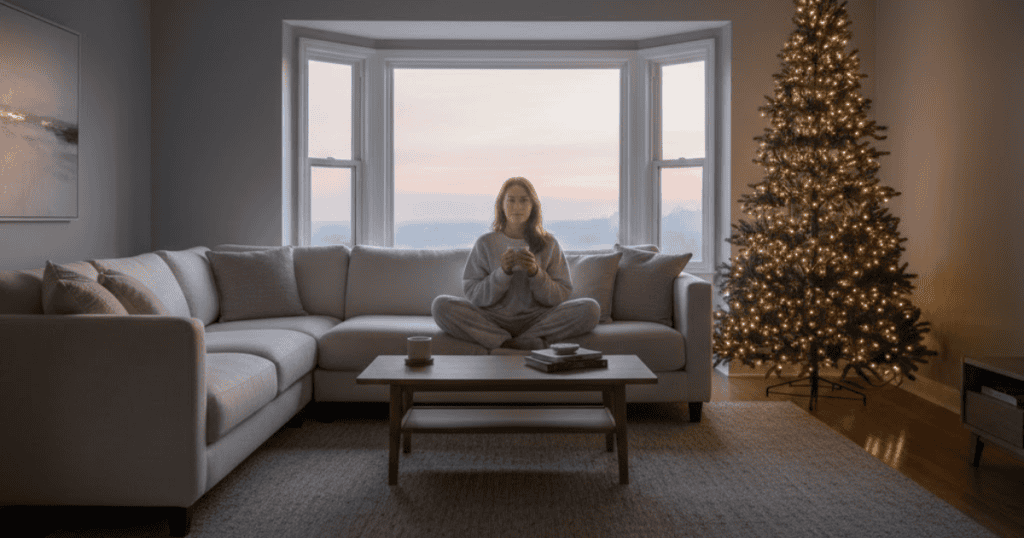
After leaving the old system, I didn’t know what calm was.
Silence felt suspicious, and rest felt like laziness.
One December morning, I simply brewed tea and sat with the tree lights, realizing how much I’d missed stillness.
The change was slow. But with patience, I now build nourishing rituals.
And no one hovers with passive-aggressive comments or narcissistic insults.
This is an order reclaimed on my terms.
Quiet holidays aren’t lonely. They are strategic spaces to deprogram from constant emotional surveillance.
3. I Celebrate on My Own Timeline, Not Theirs
Narcissistic families rarely respect time and use chaos as a method of control.
My toxic mother changed plans without warning, then accused me of ingratitude.
My controlling brother made last-minute demands as if he were treating my schedule as optional.
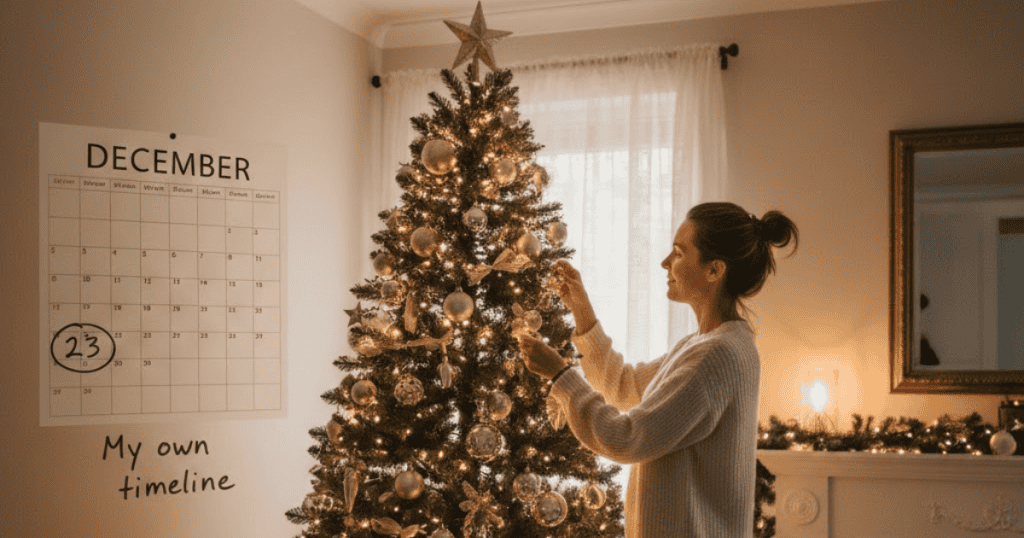
The first year I chose my own timeline, everything changed.
I decorated when I wanted and even left the tree up late because the lights made me happy.
I realized there’s no prize for suffering through arbitrary rules.
Your timeline is valid. Your pace is enough. And your holidays don’t need to sync with anyone’s clock but your own.
4. I Started Giving Myself the Kind of Gifts I Never Received

Growing up, gifts were tools of manipulation.
My mother used them to emphasize flaws with diet books or “professionalizing” clothing.
My manipulative sister‘s “Try Harder” notebook and my brother’s unwanted hand-me-down controller confirmed it.
Gifts were about hierarchy, not love.
That’s why buying myself a hardcover novel felt rebellious.
I usually waited, but a voice whispered, “This is the childhood gift you deserved.”
Another year, I gave myself a solo museum day, and I felt intellectually alive.
Self-gifting isn’t indulgence. It’s reparenting.
It’s repairing the gap left by narcissists who weaponized generosity.
5. I Only Spend the Holidays With People Who Feel Safe
The biggest shift was choosing people based on safety, not blood.
My toxic parent preached nothing but “family obedience.”
I stopped forcing myself to be around people who drained me, and everything softened.
My dad’s validating question, “What do you want this year?” made it about me.
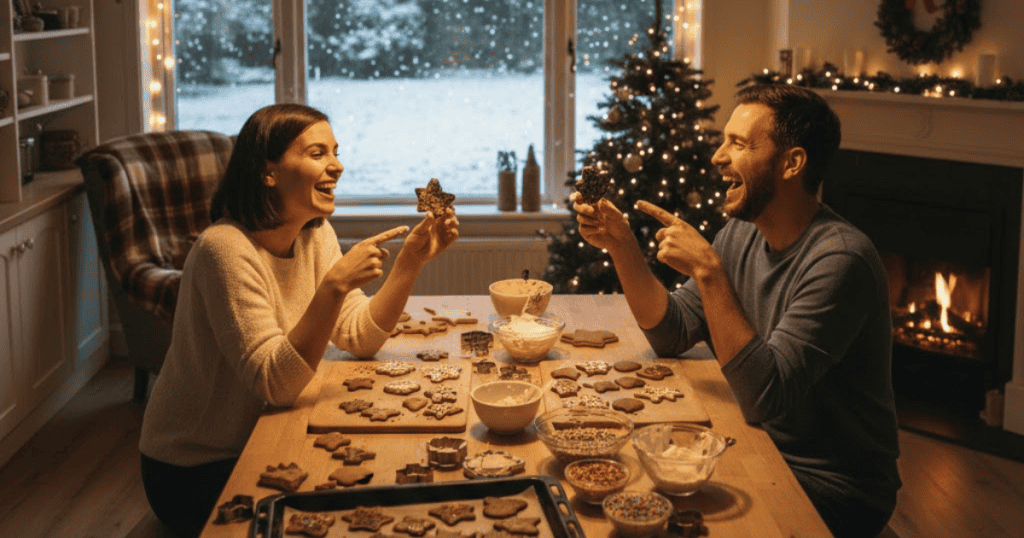
Now, I spend holidays with safe people, like my husband, my supportive cousins, or myself.
From this, I learned that a holiday with a few safe people is worth more than a mansion full of unsafe ones.
6. I Make Space for Grief Without Letting It Take Over
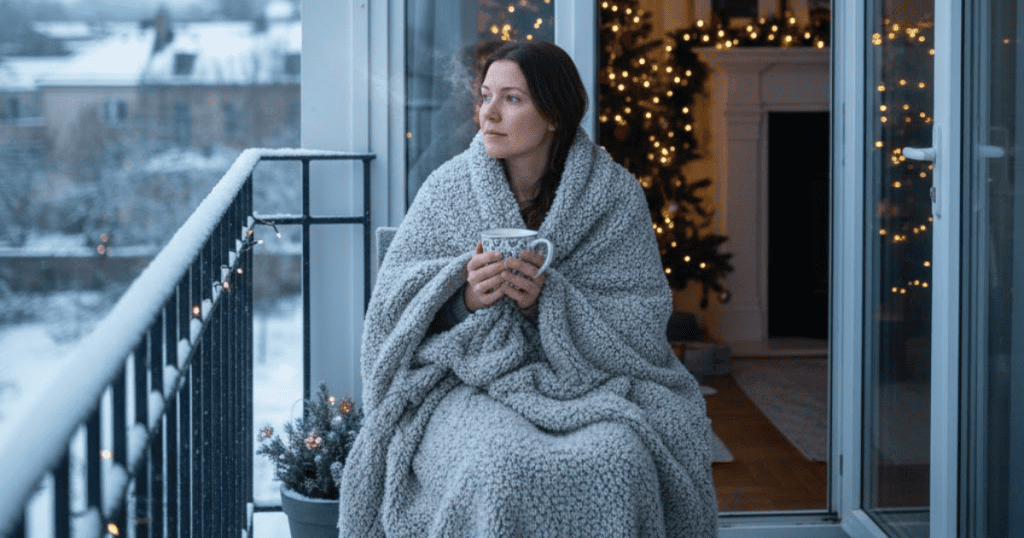
Even in freedom, grief shows up.
It often visits me in small, unexpected ways. A familiar scent, a song, or seeing a mother and daughter without tension.
The grief isn’t for what I lost, but what I never had.
One Christmas morning, an ache made it hard to breathe. My husband asked if I was okay.
I allowed the sadness to move through me.
Ten minutes later, it passed, and we made cinnamon rolls.
That became my ritual: Acknowledge. Breathe. Continue.
It’s accepting the emotional truth of being a narcissistic abuse survivor during a season built around family mythology.
Grief is a guest, not a captor.
7. I Chose Traditions That Honor Who I Am Now
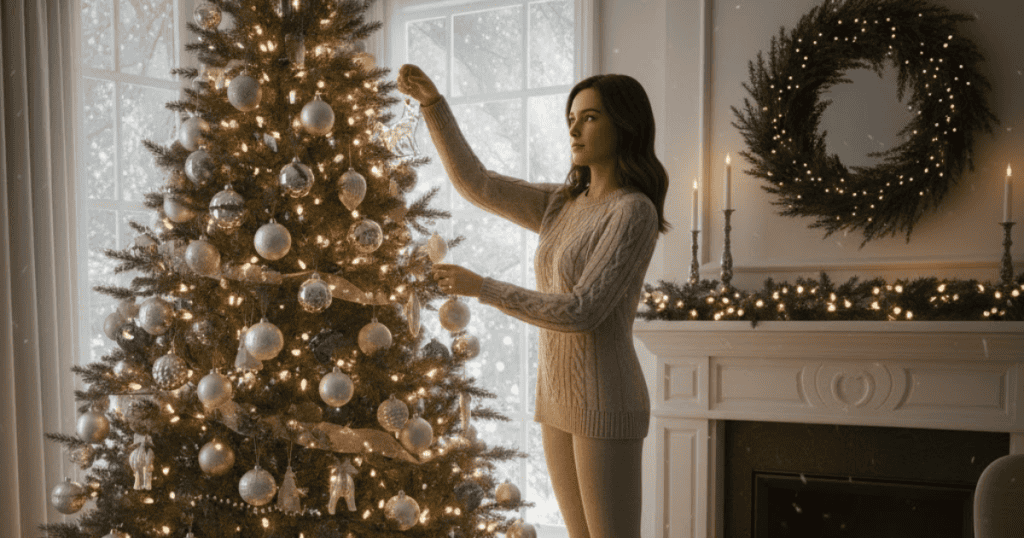
Healing from the abuse changes your identity, and your holidays should adapt to the new you.
I started small by buying a new ornament: a tiny glass fox, which symbolized a survivor’s cleverness, survival, and strategy.
It reminded me of the toxic patterns and moving intentionally.
Another strategic tradition is the “Truth Letter” every December 26th, where I jot down what triggered me and what I want to do differently next year.
But my favorite is a personal year-end audit, where I list five tolerated things and five achievements.
These traditions honor who I am in freedom.
This Is What Real Holidays Feel Like
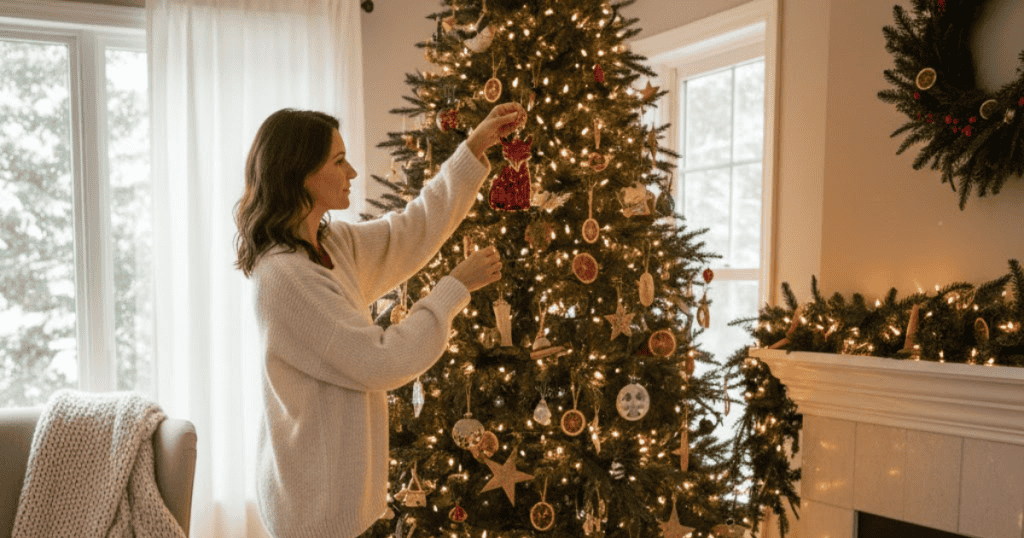
Real holidays aren’t manufactured. They’re chosen.
At first, peace felt suspicious, a trap, with my body waiting for the next explosion or manipulation.
But as the years passed, peace became less foreign, more familiar, and deserved.
Today, my holidays feel truthful, just real.
You can build your own version of this life.
Choose traditions that make you feel safe, seen, and whole.
That choice is the beginning of everything.
Related posts:
- Why Narcissists Secretly Hate the Holidays (and What That Reveals About Them)
- Why Do Narcissists Ruin Every Birthday and Holiday?
- 6 Stupid Simple Ways to Make Narcissists Feel Exactly What They Put You Through
- My Calm Christmas Plan: 9 Boundaries Narcissists Can’t Twist or Guilt Me Out Of
- 8 Subtle Morning Clues That Separate a Narcissist from a Normal Person