

One of the most painful questions survivors ask is whether narcissists ever face consequences for the harm they cause.
From the outside, it often looks as though they do not.
They move on to new relationships and find fresh sources of attention.
They continue presenting themselves as successful, confident, and unaffected while the people they hurt are left trying to heal.
For a long time, I believed they somehow escaped accountability.
Whenever I heard updates about a family member, nothing seemed to change.
The manipulation and drama continued.
And the people around them still appeared willing to tolerate behavior that had caused so much damage.
Yet as the years passed, I began noticing something different.
The consequences were there, but they were not dramatic.
There was no sudden downfall, public confession, or moment of reckoning.
Instead, the cost of their behavior accumulated slowly through strained relationships and growing isolation.
Their life became increasingly disconnected from genuine human connection.
Understanding how narcissists end their lives is not about revenge.
It is about recognizing that every way of living carries consequences, including theirs.
Table of Contents
A Narcissist’s Greatest Weapon Has an Expiration Date

Many narcissists rely heavily on qualities that create strong first impressions.
Charm, confidence, social status, and the ability to command attention often become the foundation of how they navigate the world.
For a time, those qualities can be remarkably effective.
People overlook red flags because the narcissist is entertaining.
They excuse selfish behavior because the narcissist appears successful.
They dismiss concerns because the narcissist knows exactly how to make others feel special.
The problem is that these advantages are not permanent.
As people gain experience, they become better at recognizing patterns.
Family members remember past toxic behavior, and friends become less willing to ignore repeated mistreatment.
Communities grow familiar with someone’s reputation.
What once looked charming can eventually look manipulative.
What once seemed confident can begin to feel arrogant.
I saw this happen with a toxic relative, who spent years dominating every conversation and attracting attention wherever he went.
People laughed at his stories and behavior that would have been unacceptable from almost anyone else.
Years later, the atmosphere around him had changed.
Nobody openly confronted him, but fewer people seemed interested in spending time with him.
Conversations became shorter, invitations became less frequent, and people quietly created distance.
The shift was subtle, yet impossible to miss.
Once enough people recognized the pattern, the performance lost much of its power.
The Loneliness That Builds Whether They See It or Not
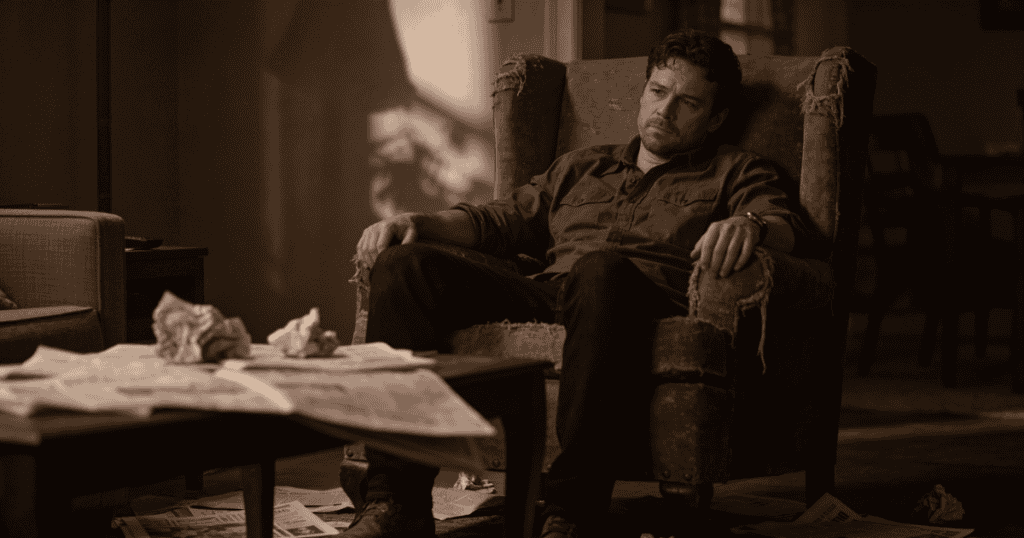
One of the biggest misconceptions about narcissists is that having many people around them means they have meaningful relationships.
Those are not the same thing.
Narcissists often approach relationships through the lens of what someone can provide rather than who that person is.
Attention, admiration, loyalty, resources, and validation become the focus.
Over time, however, people grow tired of being treated as tools instead of human beings.
Children mature and begin questioning unhealthy family dynamics, and partners reach emotional exhaustion.
Friends stop making excuses, while relatives establish boundaries.
Rarely does this happen all at once. More often, it unfolds gradually.
Phone calls become less frequent, visits become shorter, and invitations stop arriving.
The relationship remains technically intact, but the emotional connection fades.
I witnessed this process with someone in my extended family.
For years, they criticized others, demanded loyalty, and expected everyone to accommodate their needs.
As time passed, their social world became noticeably smaller.
The house grew quieter, the phone rang less often, and people who once tolerated the behavior simply stopped participating.
Nobody announced a dramatic departure because they chose peace over chaos.
What struck me most was not satisfaction but sadness.
The loneliness they experienced was largely self-created.
Relationships built on guilt, fear, obligation, or manipulation rarely provide comfort when life becomes difficult.
What’s Rotting on the Inside of Every Narcissist

The Rage That Has Nowhere to Go
Many people assume narcissists become wiser and more reflective with age.
Some do, but many become increasingly bitter as they get older.
As life progresses, reality becomes harder to avoid.
The success they expected may never fully arrive.
The admiration they chase never feels sufficient, and the recognition they believed they deserved remains out of reach.
A painful gap often develops between the life they imagined and the life they actually have.
For emotionally healthy people, disappointment can become an opportunity for growth.
For narcissists, it often becomes another source of blame.
Accepting responsibility would require acknowledging mistakes, poor decisions, and the impact of their behavior on others.
That level of self-examination can feel threatening to someone whose identity depends on protecting a carefully constructed image.
As a result, responsibility is frequently assigned elsewhere.
Former partners become villains.
Children become ungrateful.
Coworkers become jealous.
Friends become disloyal.
Years ago, I listened to my narcissistic brother explain why nearly every setback in his life was someone else’s fault.
The details changed from story to story, but the pattern remained the same.
There was always someone to blame and never any meaningful reflection on his own choices.
Without accountability, frustration has nowhere to go.
Instead of being processed and resolved, it hardens into resentment.
A Lifetime Without Real Intimacy
Perhaps the saddest consequence of narcissism is the inability to experience deep emotional intimacy.
Real intimacy requires vulnerability and honesty.
It requires allowing another person to see your fears, flaws, insecurities, and authentic self.
Narcissists often spend their lives doing the opposite.
They manage impressions, control narratives, and protect an image designed to earn approval or avoid shame.
Over time, maintaining that image becomes more important than being known.
The result is a life filled with relationships that may appear close but rarely feel truly connected.
Many survivors spend years trying to love a narcissistic parent, sibling, partner, or friend.
They offer patience, understanding, forgiveness, and countless opportunities for genuine connection.
Yet something always feels missing.
Eventually, many realize they were trying to build a relationship with someone who never fully showed up as themselves.
A meaningful connection requires two authentic people.
When one person is committed to protecting a mask, intimacy becomes nearly impossible.
When They Finally Need People, No One Is Left

Aging introduces a challenge that narcissists often struggle with more than most people.
Dependence.
Eventually, everyone faces limitations.
Health problems emerge, energy declines, and tasks that once seemed simple become difficult.
At some point, nearly everyone needs support from others.
For people who have invested in healthy relationships, this stage of life often brings care, companionship, and meaningful connection.
For narcissists, it can expose the damage created over decades.
The people they pushed away may no longer be willing to return.
Those who remain often do so out of obligation rather than affection.
I remember watching an older narcissistic family member face serious health challenges.
What stood out was not the illness itself but the emotional atmosphere surrounding it.
People visited, but the interactions felt strained.
Conversations were brief.
Support existed, yet genuine warmth seemed absent.
The relationships that might have provided comfort had been weakened by years of criticism, control, and emotional neglect.
By the time help was truly needed, many of the strongest connections were already gone.
The Apology a Narcissist Owes You Is Never Coming

Many survivors of narcissistic abuse spend years waiting for accountability.
They hope for a conversation in which the narcissist finally acknowledges the truth.
They imagine hearing an apology, an admission of wrongdoing, or some sign of genuine remorse.
Unfortunately, that moment rarely arrives.
This is not always because narcissists are completely unaware of the harm they cause.
In many cases, they understand far more than they admit.
The problem is that fully accepting responsibility would require confronting painful truths about themselves.
They would have to acknowledge the damage they caused, the relationships they harmed, and the choices they made.
For someone whose identity is built around avoiding shame, that level of honesty can feel unbearable.
Instead, the story often remains unchanged.
The past gets rewritten, and responsibility gets shifted.
Other people become the problem.
The apology never comes.
One of the most liberating moments in my own healing journey came when I stopped waiting for it.
Accepting that some people will never provide closure allowed me to stop tying my recovery to their behavior.
The healing finally became mine.
Their Ending Is Not Your Burden to Carry

The reality is that many narcissists experience a sad ending.
A life built on manipulation, control, and emotional exploitation often leads to loneliness, resentment, and shallow relationships.
Those outcomes are unfortunate, but they are also the natural result of choices repeated over many years.
That does not mean you should spend your life waiting for their downfall.
Nor does it mean you are responsible for protecting them from the consequences of their actions.
Your task is not to rescue them, but to heal yourself.
Understanding what happens to narcissists in the end is valuable because it shifts your focus away from them and back toward your own life.
The moment you stop watching for their collapse and start investing in your own growth is the moment you reclaim your power.
And in the long run, that matters far more than anything that happens to them.
Related posts: