

One of the most confusing things about growing up in a narcissistic family is that the trauma often doesn’t look like trauma in adulthood.
Instead of showing up as obvious wounds, it appears as delayed emotions, guilt whenever you rest, or discomfort with attention.
It can also appear as a lingering sense that you do not really know who you are outside of the roles you learned to play.
Because these patterns become so familiar, they are often mistaken for personality traits.
People may see someone who is highly responsible, independent, adaptable, funny, or self-sacrificing.
They don’t realize those qualities developed as survival strategies inside a dysfunctional family system.
I grew up as the unwanted second daughter in a family where my older sister was the golden child and my younger brother was treated like a prince.
My role was different.
I became the scapegoat, the child who learned to monitor my mother’s moods.
I compete for scraps of approval and make myself smaller whenever conflict appears.
For years, I believed these habits were simply part of who I was.
Only later did I realize they were childhood adaptations that continued shaping my life long after I left home.
Table of Contents
8 Childhood Traumas From Narcissistic Families
1. You Learned Delayed Emotional Response
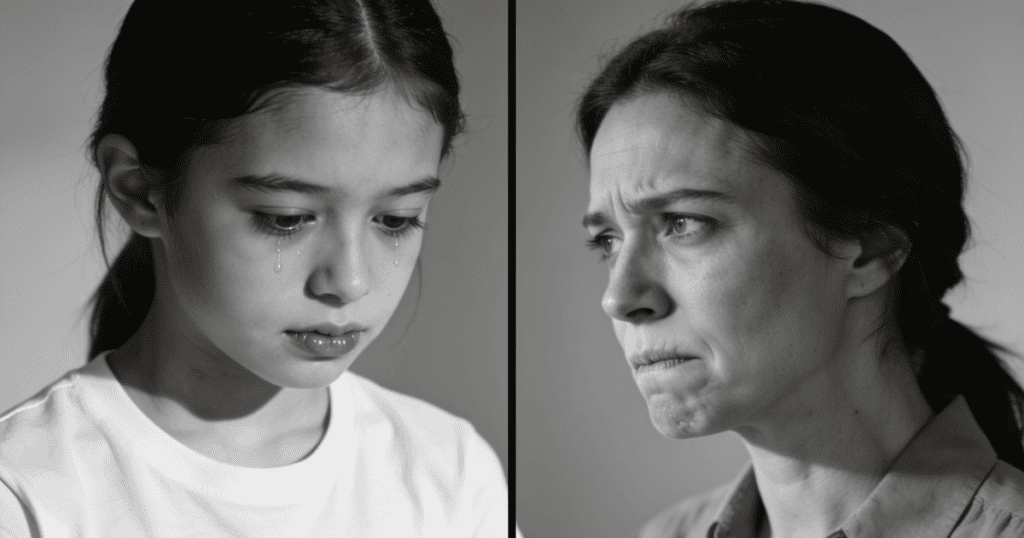
Children in healthy families learn that emotions can be expressed safely and processed in real time.
Children in narcissistic families often learn the opposite.
When a narcissistic parent mocks, dismisses, punishes, or weaponizes your feelings, expressing emotions becomes risky.
I learned early that reacting honestly to my mother’s behavior usually made things worse.
If I looked hurt, I was accused of being dramatic.
If I defended myself, I was disrespectful.
If I cried, I was manipulative.
Eventually, I stopped reacting in the moment because it felt safer to suppress my feelings than to deal with the consequences of expressing them.
The emotions never disappeared, however. They simply arrived later.
An upsetting interaction could happen during the day, but the sadness would not surface until that evening.
Anger might not appear until days after the event that caused it.
As an adult, I realized my nervous system had learned to delay emotional processing until it felt safe enough to experience those feelings.
Many survivors still do this.
They leave a difficult conversation feeling fine, only to find themselves overwhelmed hours later.
What looks like emotional confusion is often a trauma and survival response learned in childhood.
2. You Live in Constant Urgency
Narcissistic households are often unpredictable environments where emotional stability can disappear without warning.
Children quickly learn to stay alert.
They never know when the next criticism, accusation, demand, or emotional explosion will occur.
Growing up, I paid close attention to everything around me.
I watched my mother’s tone of voice and monitored my narcissistic sister‘s moods.
I learned to sense tension before anyone openly acknowledged it.
The atmosphere in the house could change instantly, and being aware of those shifts felt necessary for survival.
The problem is that the nervous system does not automatically stop scanning for danger once you leave the environment that created it.
Many adult survivors carry a constant sense of urgency into otherwise safe lives.
They rush through tasks, struggle to relax, and feel responsible for fixing problems that are not theirs to solve.
Even when nothing is wrong, their bodies remain prepared for the next crisis.
The danger may be gone, but the conditioning remains.
3. You Carry a Low-Level, Persistent Sadness

Many adults from narcissistic families carry a sadness they cannot fully explain.
It is not always depression, and it is not a sign of weakness.
More often, it is grief.
Emotional neglect creates a unique kind of loss because it involves missing things that should have been present throughout childhood.
In my case, I grew up feeling like the child my toxic mother never really wanted.
My sister occupied the favored position, and my controlling brother received special treatment.
I was left trying to earn affection that never seemed to come naturally.
The sadness did not come from one dramatic event.
It came from years of feeling unseen, unsupported, and emotionally disconnected from the people who were supposed to love me most.
Encouragement was rare, and pride was inconsistent.
Genuine warmth often came more easily from teachers, neighbors, and friends than from my own toxic family.
Over time, that experience creates a quiet grief.
You mourn the childhood you never had and the relationship you never received.
You grieve for the version of yourself that might have developed under healthier circumstances.
Many survivors of narcissistic abuse carry that sadness for years without realizing what they are grieving.
4. You Feel Guilty About Boredom and Rest
Rest can feel surprisingly uncomfortable for people who grew up in narcissistic families.
When your value is tied to what you provide, accomplish, or sacrifice, simply existing never feels like enough.
As the scapegoat, I learned that being useful reduced conflict.
If I stayed helpful, quiet, available, and emotionally accommodating, life became slightly easier.
The message was clear: my worth depended on what I contributed.
I remember sitting quietly with a book, only to have my mother immediately point out something more productive I should be doing.
Experiences like that taught me that rest required justification and that productivity earned permission to take up space.
Even after creating a peaceful adult life, I sometimes noticed guilt appearing during ordinary moments of relaxation.
A free afternoon felt unearned.
A quiet weekend felt suspicious.
Many survivors experience the same reaction because their nervous systems learned to associate safety with constant usefulness.
As a result, rest can trigger guilt instead of comfort.
5. You Became an Expert at Hiding Your True Self
Children naturally express who they are, but narcissistic families often teach them to hide parts of themselves to stay safe.
At home, I learned to shrink.
I measured my words carefully, avoided drawing attention to myself, and tried not to take up too much emotional space.
Outside the home, however, I became more confident, social, and expressive.
Friends saw a version of me that felt alive in ways I rarely experienced around my family.
For years, I did not understand why there was such a difference between those two versions of myself.
Eventually, I realized that one environment required survival while the other allowed authenticity.
Many survivors become highly skilled at adapting to different situations.
They know how to become whatever version of themselves feels safest in a particular environment.
While this ability can look impressive from the outside, it creates confusion internally.
When you spend years performing instead of expressing your true self, it becomes difficult to know who you really are beneath the mask.
6. You Shut Down When You’re in the Spotlight
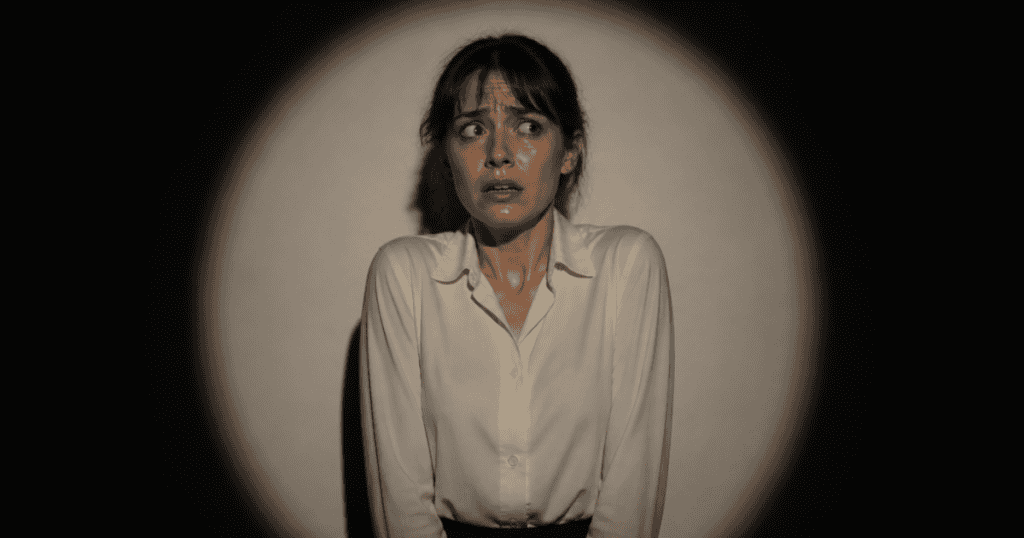
Attention is supposed to feel positive, but for many survivors of narcissistic families, it feels uncomfortable or even threatening.
In dysfunctional family systems, being noticed often comes with consequences.
Success may trigger jealousy, comparison, criticism, or resentment.
Instead of being celebrated, achievements become sources of tension.
As I became more successful in adulthood, I noticed that positive developments in my life were not always welcomed by my jealous sister.
Rather than celebrating my growth, she often responded with competition or resentment.
Over time, my nervous system learned to associate visibility with risk.
As a result, compliments felt uncomfortable, praise seemed suspicious, and being celebrated created anxiety rather than joy.
7. You Use Humor to Deflect Real Pain
Humor can be a healthy coping tool, but it can also become a way to avoid vulnerability.
In narcissistic families, serious emotions are often dismissed or treated as inconveniences.
Children quickly learn that joking about pain is safer than expressing it directly.
For a long time, I could make light of almost anything.
I could joke about my toxic parent‘s rejection, laugh about my sister’s cruelty, and tell painful stories in ways that entertained other people.
Because I could talk about these experiences casually, many assumed I had healed from them.
The reality was different.
Humor allowed me to discuss painful experiences without fully feeling them.
It created emotional distance and protected me from vulnerability.
Many survivors become exceptionally funny because humor helps them navigate difficult emotions.
However, genuine healing eventually requires acknowledging how deeply those experiences hurt instead of constantly turning them into jokes.
8. You Feel Disconnected From Your True Self
One of the deepest wounds caused by narcissistic families is identity confusion.
Healthy families help children discover who they are.
Narcissistic families assign roles before children have the opportunity to develop their own identities.
In my family, the roles were established early, which shaped how I was treated and how I viewed myself.
When children spend years managing a role instead of exploring individuality, they often reach adulthood without a clear sense of who they are.
Their identity becomes buried beneath survival strategies, expectations, and family narratives.
Many survivors eventually find themselves asking a difficult question.
“Who am I without the role my family assigned me?”
Although that question can feel unsettling, it is also the beginning of genuine freedom.
Why These Patterns Follow You Even After You Leave
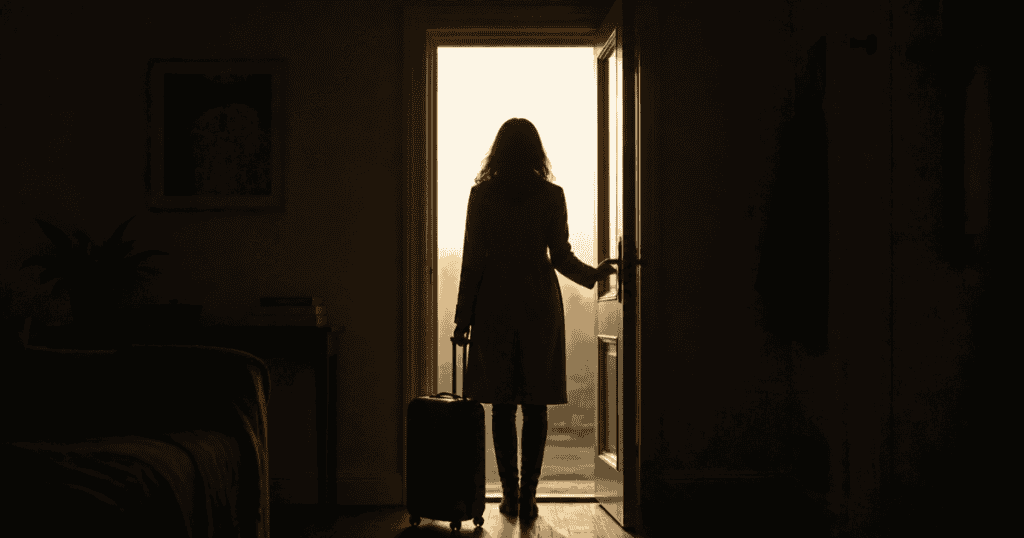
Leaving a toxic family system does not instantly erase years of conditioning.
While your environment may change, your nervous system continues operating according to the rules it learned during childhood.
Many survivors expect healing to happen automatically once they create distance from their families.
In reality, patterns that were repeated for years tend to linger.
The body remembers what it learned, even when the original threat is gone.
I discovered this in my own life.
Even after building a loving home and surrounding myself with supportive people, old reactions still appeared from time to time.
I could still feel urgency during calm moments, guilt during periods of rest, or hesitation when expressing difficult emotions.
These reactions do not mean survivors are broken.
They simply reflect the fact that the nervous system adapted to a challenging environment.
The patterns persist because they were practiced repeatedly, not because there is something wrong with the person carrying them.
Understanding this can remove a tremendous amount of shame.
Instead of asking what is wrong with you, it becomes possible to ask what happened to you and why those responses once felt necessary.
Coming Back to Yourself Is the Real Breakthrough

The real breakthrough is not simply escaping the family role but reconnecting with the person who existed beneath it all along.
After losing most of my family relationships, I experienced grief, rebuilding, and difficult periods of adjustment.
Yet I also found peace.
I built a life with my husband and son, and surrounded myself with people who valued me for who I was.
I stopped organizing my identity around pleasing narcissists who would never be satisfied.
The trauma shaped many of my reactions, but it did not get to keep ownership of my identity.
Healing was not about becoming someone new.
It was about uncovering the person who had been there all along and finally giving her room to exist.
Related posts:
- 5 Ways Your Childhood Trauma is Sabotaging Your Happiness
- How to Reclaim Your Adult Identity After Growing Up in a Narcissistic Family
- Shattering Childhood: 8 Hurtful Things My Toxic Parents Often Say
- Life of a Female Aging Narcissist: 8 Toxic Patterns That Get Worse With Time
- 7 Childhood Patterns That Explain Why You Attract Narcissists